2027 Planning
 Sky Dive in Bali Editorial Desk
Plan A 2027 Bali Skydiving Corporate Retreat
Sky Dive in Bali Editorial Desk
16 May 2026
8 min read
Corporate retreats with skydiving in Bali in 2027 work best as a 3–4 day program, with 1 core jump day and 2–3 days of workshops and coworking. As of August 2026, a full tandem skydive in Bali is USD 1,200 per person.
How early should HR start planning a 2027 corporate retreat with skydiving in Bali?
For 2027, HR and event planners should start design and budget work 9–12 months ahead of the target retreat date, particularly if skydiving is the flagship activity. Bali’s dry season window from May, June, and September is considered the most reliable, with Sky Dive Bali data showing significantly better morning visibility and lower cancellation rates in these months compared with the November–March rainy season.
Many corporate groups target 20–80 participants, so jump manifests, transport, and media coverage schedules need to be reserved well before flight bookings to Bali’s Ngurah Rai International Airport, particularly over school holidays.
Planning this far out also gives time to align your internal leadership calendar, performance review cycles, and product launch windows so that the retreat becomes a milestone in the company’s 2027 people and culture roadmap rather than an isolated perk.
What does a high-impact 3–4 day Bali skydiving retreat schedule actually look like?
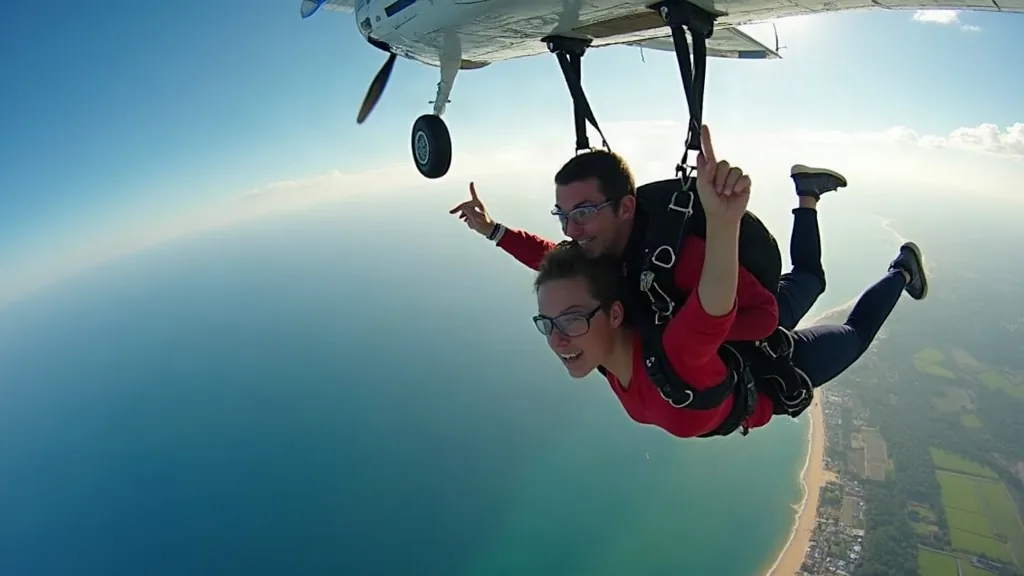
A practical 2027 format is three or four days in the Canggu–Seminyak corridor, with one early-morning transfer to the the Buleleng coast drop zone for a sunrise skydiving Bali experience. Tandem jumps run in waves, so HR can rotate participants between safety briefings, coaching circles, and photography sessions as each load goes up and lands.
Day 1 is usually a context day: arrival, project retrospectives, and a leadership keynote on risk, decision-making, or innovation. Day 2 is the primary skydive day, with the first call time around 05:00–05:30 to take advantage of smoother air and the best light. Sky Dive Bali sets clear physical parameters—minimum age 18 (or 16+ with parental consent), maximum weight 100 kg, minimum height 140 cm, and no pregnancy allowed—so HR should confirm eligibility in advance during registration.
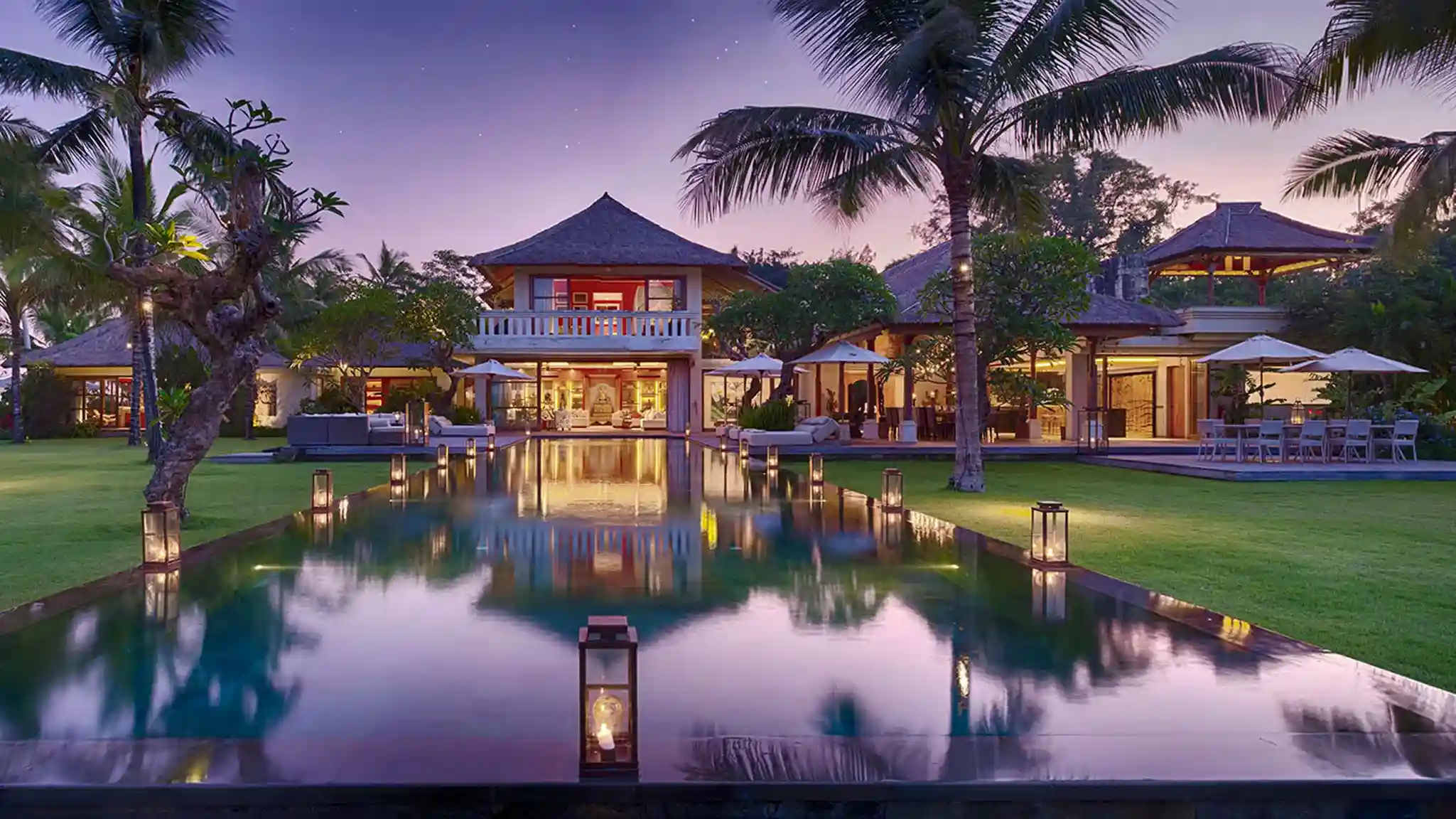
Day 3 can be framed as integration: workshops on applying the courage and focus from freefall to negotiation, sales, or engineering. Some companies add a Bali skydiving coworking retreat add on, using nearby villas or coworking spaces for focused sprints after the adrenaline peak. If you extend to Day 4, that day can hold 1:1 meetings, performance conversations, or cross-functional design sessions before teams fly home.
How safe is corporate skydiving, and what emergency planning should HR require for 2027?
Corporate decision-makers should assess any 2027 vendor on documentation, not just marketing. A formal Bali skydiving emergency response plan is essential, describing step-by-step roles from the drop zone team, local ambulance providers, and hospitals in Tabanan, Denpasar, or Buleleng.
Large retreats should also review Bali skydiving medevac planning, ensuring there is a clear pathway from landing area to road ambulance and, if needed, helicopter-supported evacuation to higher-level care. Documented gear inspection routines, instructor licensing records, and weather-minimum policies matter more than glossy videos. Ask specifically how many loads are cancelled if winds or clouds exceed safe limits; a professional operator will have no issue sacrificing revenue to maintain safety margins.
For HR, building these requirements into vendor contracts, and aligning them with corporate insurance and legal teams, creates a defensible risk framework that still allows the group to enjoy a high-trust, high-energy skydiving experience together.
How can skydiving align with leadership, mental health, and team-building outcomes?
Skydiving is powerful for executive and cross-functional teams because it turns abstract concepts like “trust” and “focus under pressure” into literal body experiences. Pre-jump briefings commonly include Bali skydiving breathing techniques in freefall to manage adrenaline: slow nasal inhale, controlled mouth exhale, and agreed hand signals between instructor and participant. These techniques can be mirrored later in workshops on handling tense negotiations or sprint reviews.
A well-designed program uses the jump as an anchor for 2027 leadership themes. For example, participants identify a professional fear on Day 1, experience confronting physical fear on the skydive day, then map learnings back onto that initial challenge on Day 3. A five star skydiving Bali experience does not only mean premium photography and logistics; it also means structured reflection, psychological safety in debriefs, and facilitators who understand both aviation risk and corporate culture.
Companies with distributed teams often extend their retreat with a Bali skydiving membership program for key talent: credits toward future jumps or coaching sessions that employees can redeem individually. This builds continuity and keeps the 2027 retreat from fading into a one-off memory.
How should budgeting and pricing work for a 2027 skydiving retreat in Bali?
As of August 2026, Sky Dive Bali lists a complete tandem skydive at USD 1,200 per person (about Rp 19.5 million), fully inclusive of tandem instructor, aircraft slot, gear, and standard media. Corporate retreats should budget on top of that for accommodation, villa or hotel event spaces, local transport, and facilitation. Medium-sized companies’ corporate retreat costs are quoted per case on request, once all elements are included, depending on hotel tier and off-site activities.
Finance and procurement teams can use resources like the internal guide on forecasting Bali skydiving ticket prices in 2027 to stress-test scenarios: what if fuel surcharges increase, or exchange rates move between Indonesian Rupiah and your home currency? Building a 10–15% contingency into the activity budget protects the program from currency or aviation cost swings. Also consider whether you will subsidise optional extras such as premium video edits, a Bali skydiving USB drive option, and branded apparel, or bill those add-ons directly to employees.
Some firms partially offset costs by merging the retreat with product launches, leveraging the event as a Bali skydiving grand opening event for a new market, or hosting key partners and clients during the drop zone day for relationship-building.
How can HR maximise engagement with extras like media, parties, and parallel events?
Skydiving naturally creates content and storylines. Many 2027 retreat planners incorporate a structured media pipeline: brief participants to record short to-camera clips pre-jump, collect onboard footage and stills, then premiere a highlight reel at the closing dinner. Offering a Bali skydiving USB drive option for each participant keeps file-handling simple across different operating systems and corporate networks.
Post-jump Bali skydiving after party ideas range from relaxed beach barbecues near the Buleleng coast to formal award dinners in Seminyak. The key is scheduling at least 3–4 hours between jumping and any alcohol service to keep the safety boundary clear. Companies sometimes pair the skydive with parallel events such as panels on the future of drop zones in Bali 2027 and beyond or an internal innovation showcase to contextualise the experience within broader company growth.
For teams planning multiple cohorts—sales kickoffs, leadership programs, or even satellite Bali skydiving for hen parties and small offsites—building a repeatable playbook now saves time across the 2027 calendar. This can be part of your Bali skydiving continuous improvement plan: each group debriefs logistics and learning outcomes, then refines the next edition.
- Typical retreat length: 3–4 days, with 1 dedicated jump day and 2–3 days of workshops and coworking.
- Official tandem skydive price: USD 1,200 all-inclusive as listed on the site (≈ Rp 19.5 million rough conversion).
- Best operational months: May, June, and September, based on clearer skies and lower afternoon storm risk.
- Physical requirements: minimum age 18 (or 16+ with parental consent), maximum 100 kg, minimum 140 cm, pregnancy not permitted.
- Key documents: Bali skydiving emergency response plan, medevac plan, insurance confirmation, and weather cancellation policy.
- Core stakeholders: HR, finance, legal/risk, vendor operations team, and an internal retreat owner or program lead.
- Lead time: 9–12 months preferred for 2027 dates, especially for groups above 20 participants.
Frequently asked questions
skydiving bali berapa range harga normalnya?
As of August 2026, Sky Dive Bali publishes a complete tandem skydive price of USD 1,200 per person, approximately Rp 19.5 million (rough conversion). This is an all-inclusive activity cost and does not cover your hotel, transport, or retreat facilitation fees.
is corporate retreats with skydiving in bali 2027 planning guide worth it in Bali?
For companies aiming to re-energise teams after remote or hybrid work cycles, a structured 2027 planning guide is valuable. It helps HR align safety requirements, budget, and learning outcomes with Bali’s seasonal weather data, airspace status, and logistical constraints so the skydive day becomes a reliable anchor, not a last-minute gamble.
what is included in corporate retreats with skydiving in bali 2027 planning guide?
A robust guide typically covers ideal months, sample 3–4 day agendas, risk and medevac planning, budget ranges, and communication templates for employees. It also addresses media workflows, after-party concepts, and add-ons like a Bali skydiving coworking retreat add on so HR can present a complete, decision-ready proposal to leadership.
How does outdoor skydiving compare with indoor options for corporate groups?
Indoor wind tunnels such as iFLY are useful for skills training and low-risk introductory events, but an outdoor tandem over Bali adds real aircraft operations, altitude, and scenery. For 2027 planners weighing both, the bali skydiving vs indoor skydiving ifly 2027 comparison can clarify which format better matches your risk tolerance, budget, and desired emotional impact.
How should beginners in the team prepare for their first skydive?
First-timers benefit from clear health screening, simple breathing drills, and pre-trip education. Sharing a resource like a dedicated guide to bali skydiving for beginners helps employees understand age, weight, and health requirements, what the day feels like, and how training works, reducing anxiety and smoothing consent and waiver processes.
To scope a 2027 corporate retreat with skydiving as the flagship experience, share your target dates, group size, and objectives via our reservation form the Reserve My Spot form or email bd@juaraholding.com (BD desk Juara Holding Group).
Last updated 1 August 2026

Sky Dive in Bali Editorial Desk
Related Articles

Couples, Groups and Gifts
|
8 min read
Wedding Skydiving Bali 2027: Timing, Guest Rules & Planning Guide
18 Sep 2026
Read

2027 Planning
|
7 min read
Your 2027 Insider Checklist for Skydiving & Raja Ampat Marine Travel
09 Jul 2026
Read
Ready to Jump?
Experience the thrill of skydiving in Bali with our certified instructors. Book your tandem jump today.