SAFETY DEEP-DIVE
Is Skydiving in Bali Safe? An Operator-Side Risk Breakdown (2026)
The numbers, the equipment, the certifications, and the real failure scenarios — the most transparent skydive safety analysis you’ll find online, written by the operators who run the drop zone.
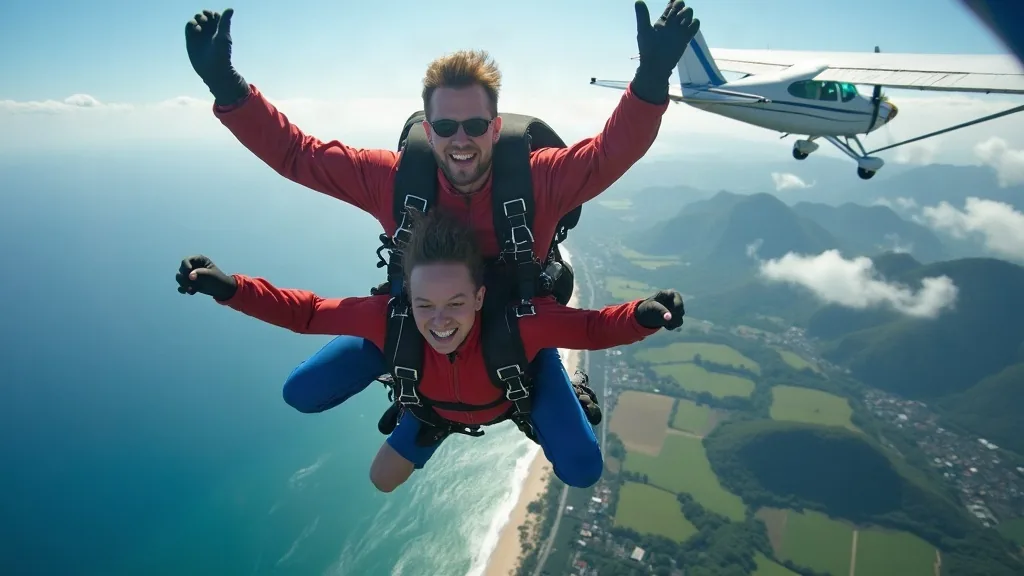
Skydiving safety questions are the highest-volume search query in our niche — and with good reason. You’re stepping out of an aircraft at 14,000 ft. The question deserves an honest answer, not the corporate-marketing version. This is the operator-side breakdown of how Bali tandem skydiving actually achieves the 0.003-fatality-per-1,000-jumps statistic, where the failure modes are, and why our drop zone at Sky Dive Bali is engineered to be safer than the global average.
The Headline Statistic (and What It Actually Means)
Per United States Parachute Association (USPA) data, tandem skydiving has a fatality rate of approximately 0.003 per 1,000 jumps. To put that in perspective: you’re statistically safer doing a tandem skydive than driving the equivalent distance from Seminyak to the the Buleleng coast drop zone (roughly 90 km round-trip, with Bali road accident rates).
That 0.003 figure is for tandem specifically — solo (sport) skydiving has a different rate (~0.005). The tandem advantage comes from professional instructor control of the entire jump.
The Three-Layer Safety Architecture
Every tandem jump runs three independent safety systems, designed to fail safe even if any two systems malfunction:
Layer 1: The Main Parachute
USPA-certified main canopy (typically Sigma 360 or Vector tandem). Deployed manually by instructor at 5,500 ft. Inspected before every flight, repacked every ~30 jumps by USPA-certified rigger. If main fails to open or has a malfunction (line twist, broken line, slider stuck), instructor performs a “cut-away” — releases the main and deploys reserve.
Layer 2: The Reserve Parachute
Independent reserve canopy. Repacked every 180 days by FAA Senior Rigger (regardless of whether used). Connected to a Reserve Static Line (RSL) so when main is cut away, reserve auto-deploys. Reserve has a much smaller spread than main — slower descent rate, designed for safe landing even with malfunction.
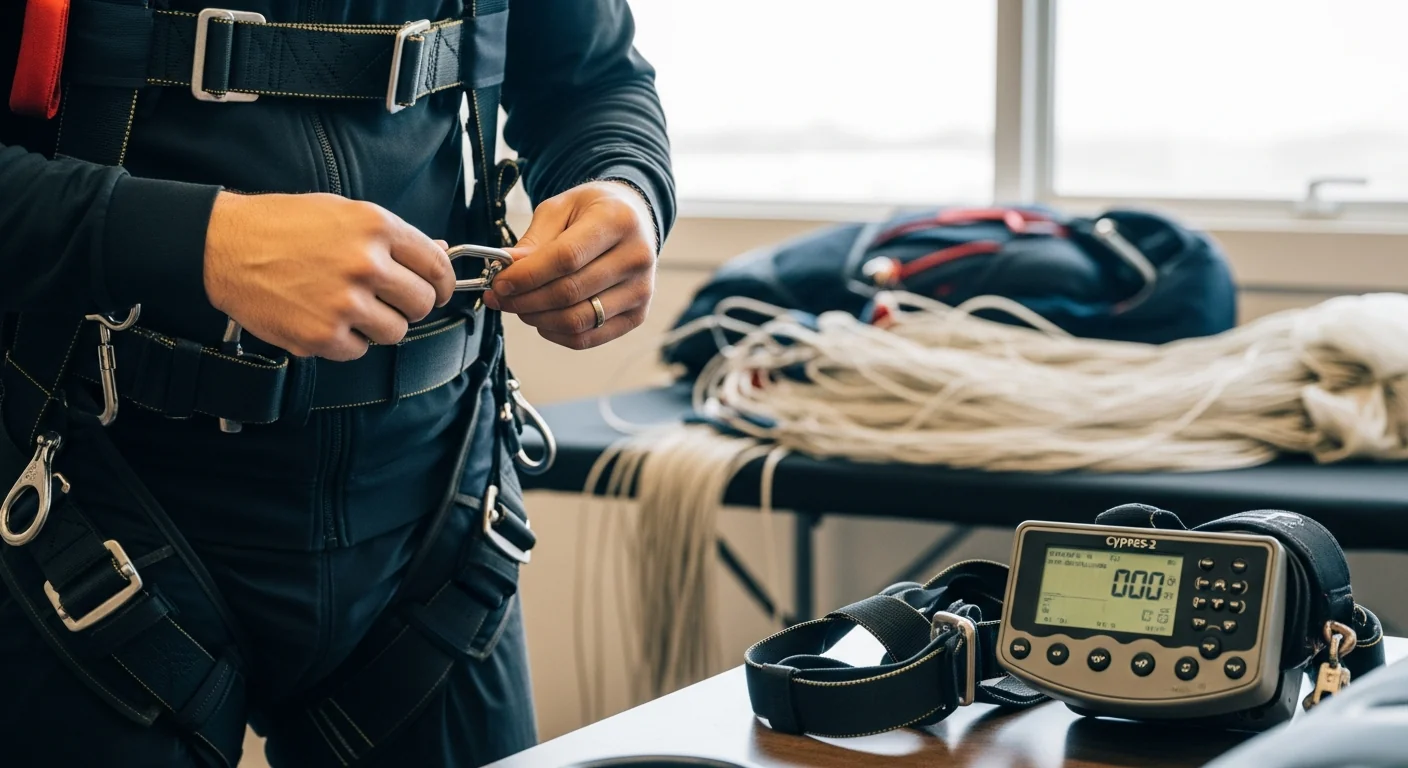
Layer 3: Automatic Activation Device (AAD)
Cypres-2 or Vigil-2 device (industry standard). Computes altitude and descent rate. If you’re at 1,000 ft AGL still falling at terminal velocity (i.e., main and reserve both failed), AAD automatically fires the reserve. AAD batteries replaced every 4 years per manufacturer schedule.
For all three to fail simultaneously requires a sequence of failures so improbable that it’s literally never happened in tandem operations under USPA standards.
What Actually Goes Wrong (Real Failure Modes)
- Main canopy line twist — line tangling on opening. Instructor handles in 5-10 seconds via leg kicks. ~5% of jumps.
- Slider stuck — main canopy doesn’t fully open. Cutaway + reserve.
- Hard opening — opening shock higher than normal due to body position. Generates G-force > 4G. Extremely rare.
- Landing injury — most common “accident” — sprained ankle on bumpy landing or hard touch in cross-wind. Statistically <
- Equipment failure cascade — main + reserve simultaneous failure. AAD prevents fatality. Has not occurred in USPA-rated tandem operations.
Bali-Specific Risk Considerations
- Airspace coordination: Bali shares airspace with Ngurah Rai International (DPS). Our drop zones at Buleleng and Buleleng sit outside DPS approach corridors with 5+ NM lateral separation.
- Surface winds: Tabanan coastal winds are MORE predictable than inland Bali due to consistent sea-breeze pattern. Pre-dawn jumps (5-10 knot winds) safer than mid-day (15-25 knot).
- WeatherDuring the wet season (November–March) afternoon thunderstorms often cancel later slots; morning jumps are more likely to proceed. Availability is confirmed by the desk when dates open. We don’t push marginal weather — refunds and reschedules over risk.
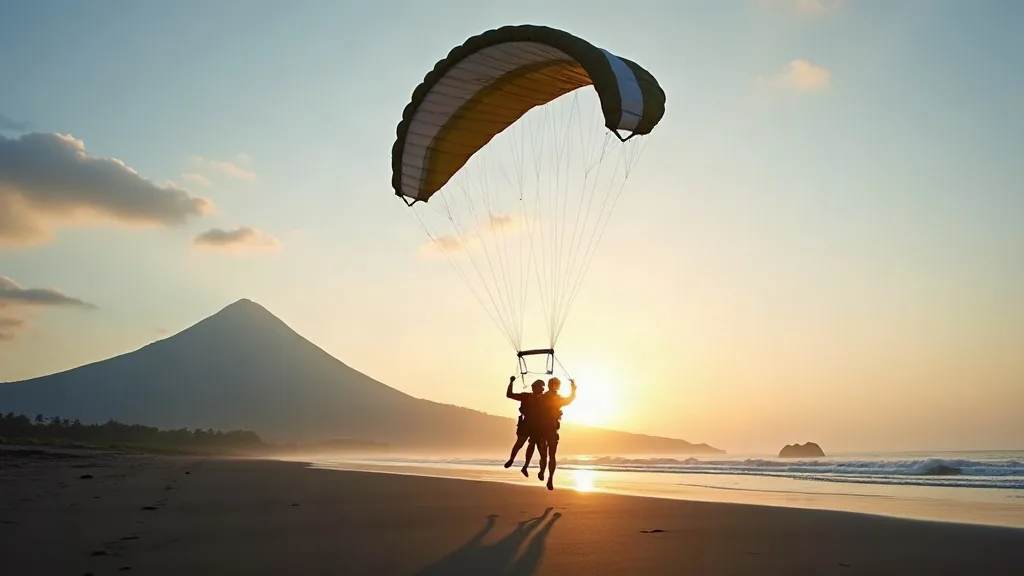
- Landing zone: Black-sand beach landing is softer than grass field. Cross-wind landings are harder than into-wind. Instructor selects approach based on conditions.
Operator Verification: How to Vet a Skydive Operator
Before booking any tandem skydive in Indonesia, verify these three:
- FASI certification — Federasi Aero Sport Indonesia. Listed on fasi.or.id. Sky Dive Bali holds active FASI rating.
- USPA tandem instructor numbers — every USPA tandem instructor has a number you can verify on uspa.org. Ask for instructor’s USPA number before booking.
- AirNav coordination agreement — every legal Indonesian drop zone needs ATC airspace coordination. Sky Dive Bali holds active agreement for Tabanan + Buleleng airspace blocks.
Read our the team Our Team page for individual USPA + FASI credentials of every instructor on the operation.
What the Statistics Don’t Capture
The 0.003-fatality-per-1,000 figure includes operations with varying standards globally — including some with weaker oversight than Bali. USPA + FASI dual-certified operations like ours run statistically safer than the average. Combined with our pre-dawn weather window operation (calmer winds), the practical safety profile of the Sky Dive Bali operation skydives is well below the global tandem average.
Insurance Considerations
Standard travel insurance excludes skydiving. Buy adventure-sport rider (as part of planned luxury VIP options) before arriving. Or our concierge bundles travel insurance with the booking.
Decision Framework: Should You Skydive?
- Under 100 kg, age 18+, no pregnancy, no recent surgery → statistically safer than driving. Book.
- Has heart condition, recent surgery, controlled epilepsy → require doctor’s clearance, then book.
- Pregnant, uncontrolled epilepsy, weight over 100kg → don’t skydive. Read our paragliding alternative guide.
While You Wait, Explore More Indonesian Adventures by JuaraHolding!
With over 9 years of trusted service, JuaraHolding invites you to embark on even more unforgettable journeys across Indonesia. Take a look at our exclusive offerings:
 Marine Adventure
1 Day
Marine Adventure
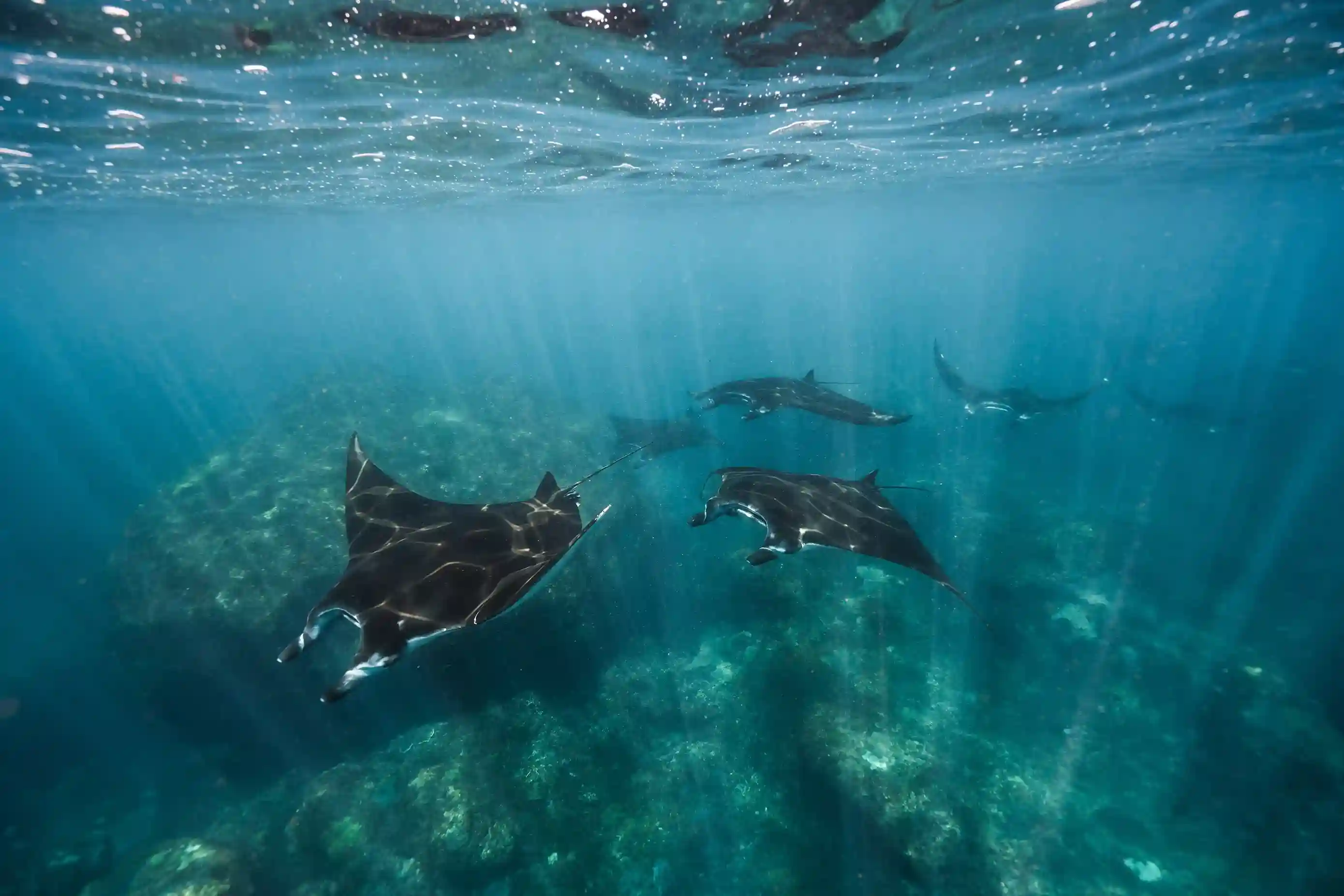
1 Day Nusa Penida Manta Diving
Swim with manta rays, 30 min from Bali
Day trip to Manta Point and Crystal Bay snorkel/dive sites. Manta ray cleaning stations, 8m visibility. Boat departs Sanur 7AM, returns 5PM. Price on request.
Price on request
Indonesia Juara Trip
 Luxury Yacht
3D2N
Luxury Yacht
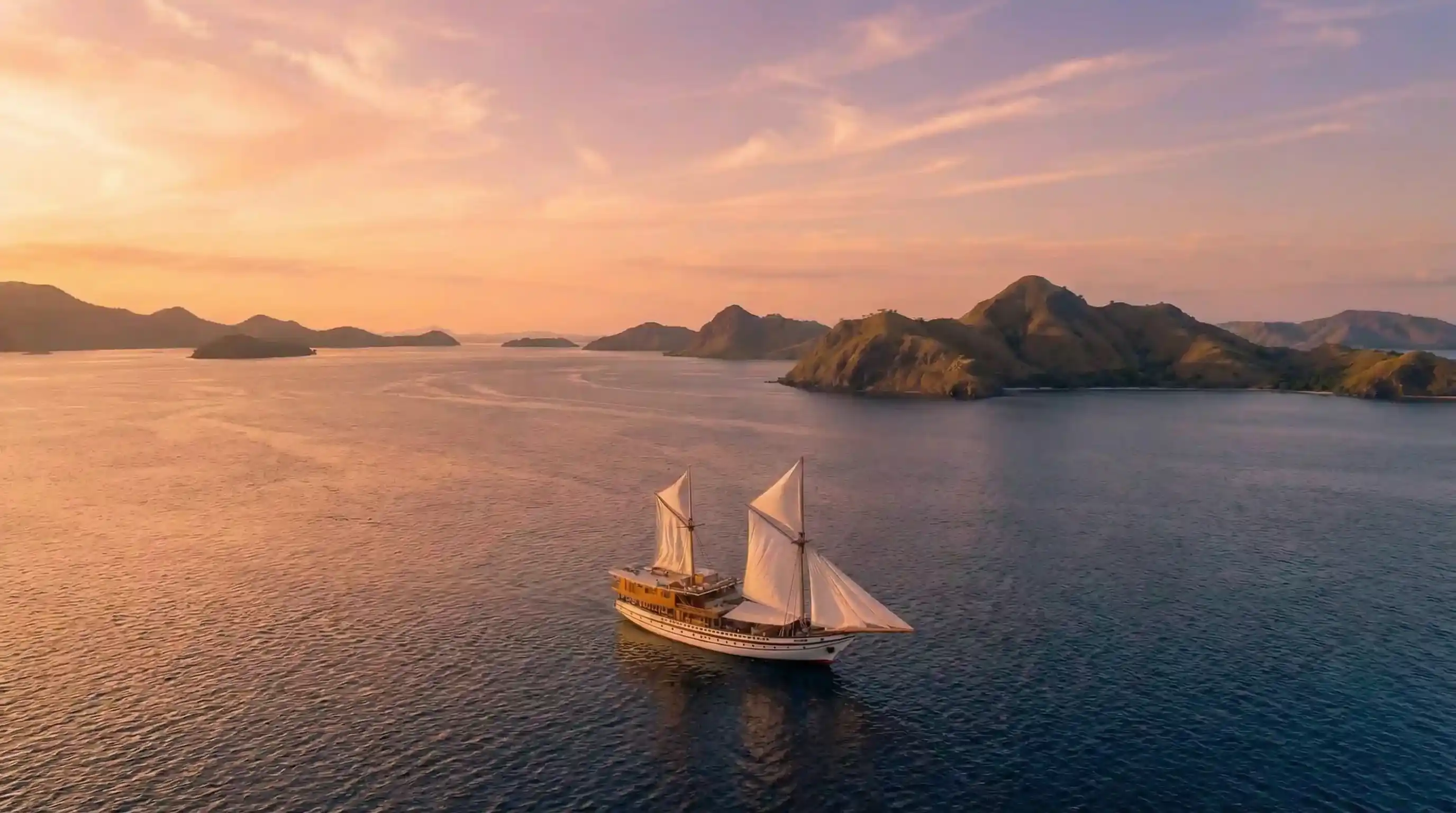
3D2N Sailing Komodo 3D2N
Private phinisi yacht through Komodo National Park
Padar Island viewpoint, Pink Beach, Manta Point cleaning stations, Komodo dragon trekking on Rinca Island. All meals + crew. Price on request.
Price on request
Komodo Luxury
 VIP Transport
Half day
VIP Transport
Half day Luxury Alphard Drop Zone Transfer
Hotel to the Buleleng coast drop zone, English driver
Toyota Alphard Hybrid with English-speaking driver, mineral water, WiFi, mobile charging. Round-trip Seminyak/Canggu/Ubud → drop zone. Driver waits during your jump. Price on request.
Price on request
Bali Premium Trip
 Curated Tour
8 hours
Curated Tour
8 hours Private Bali Day Tour
Tegalalang, Tanah Lot, Uluwatu — fully customized
8-hour private tour with luxury vehicle, guide, and lunch at handpicked warung. UNESCO rice terraces, Tanah Lot temple sunset, Uluwatu cliff fire dance. Bookable post-skydive.
Price on request
Bali Premium Trip
 Luxury Stay
Per night
Luxury Stay
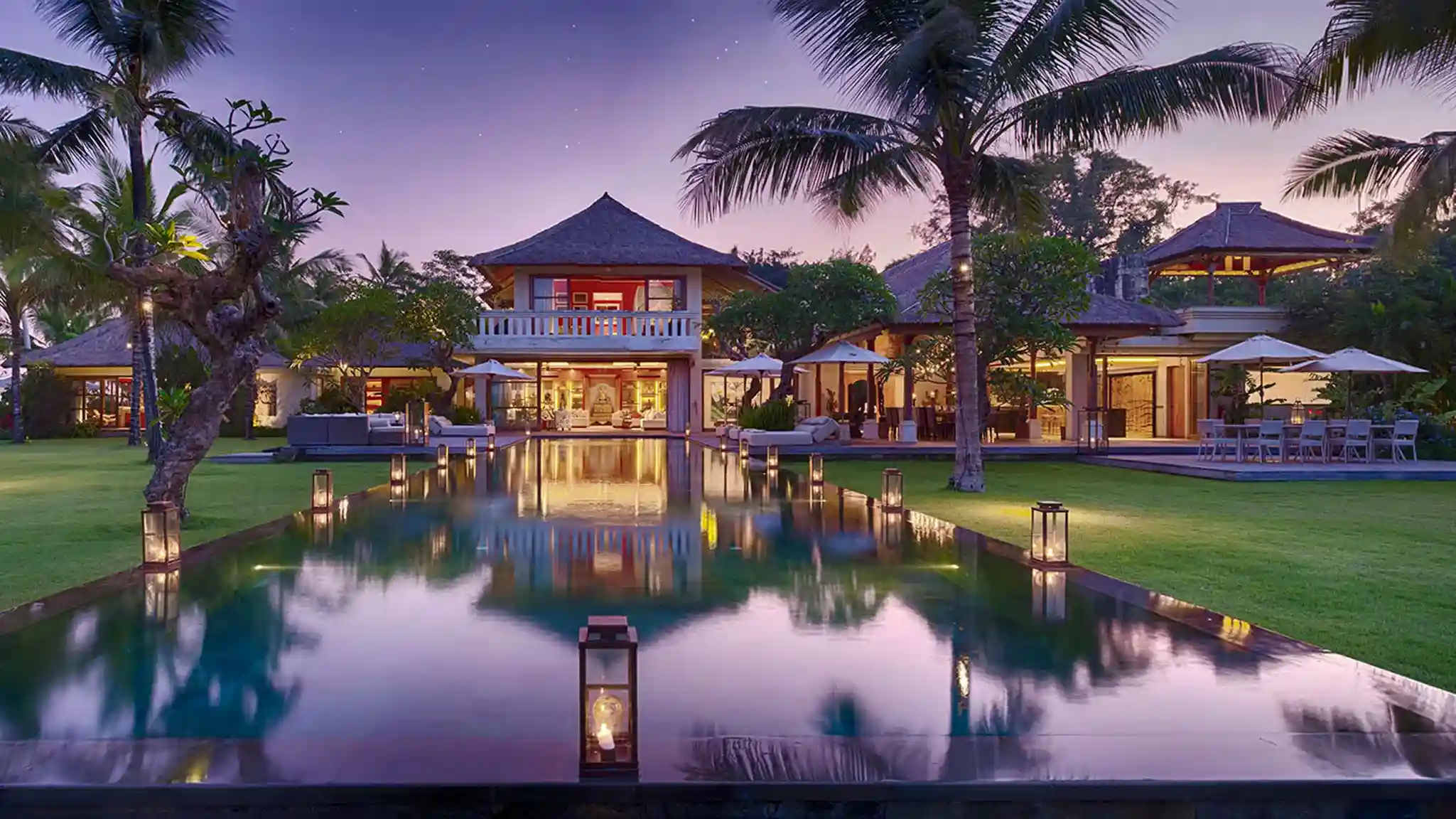
Per night Villa Stay for Jump Day
A villa stay arranged by the desk around your jump day.
Curated villas with private pools, arranged by the desk around your jump day. Private chef on request, daily housekeeping. Wake up, eat, jump — perfect pre-skydive logistics. Price on request./night.
Price on request
Bali Premium Villa
 Marine Adventure
7D6N
Marine Adventure
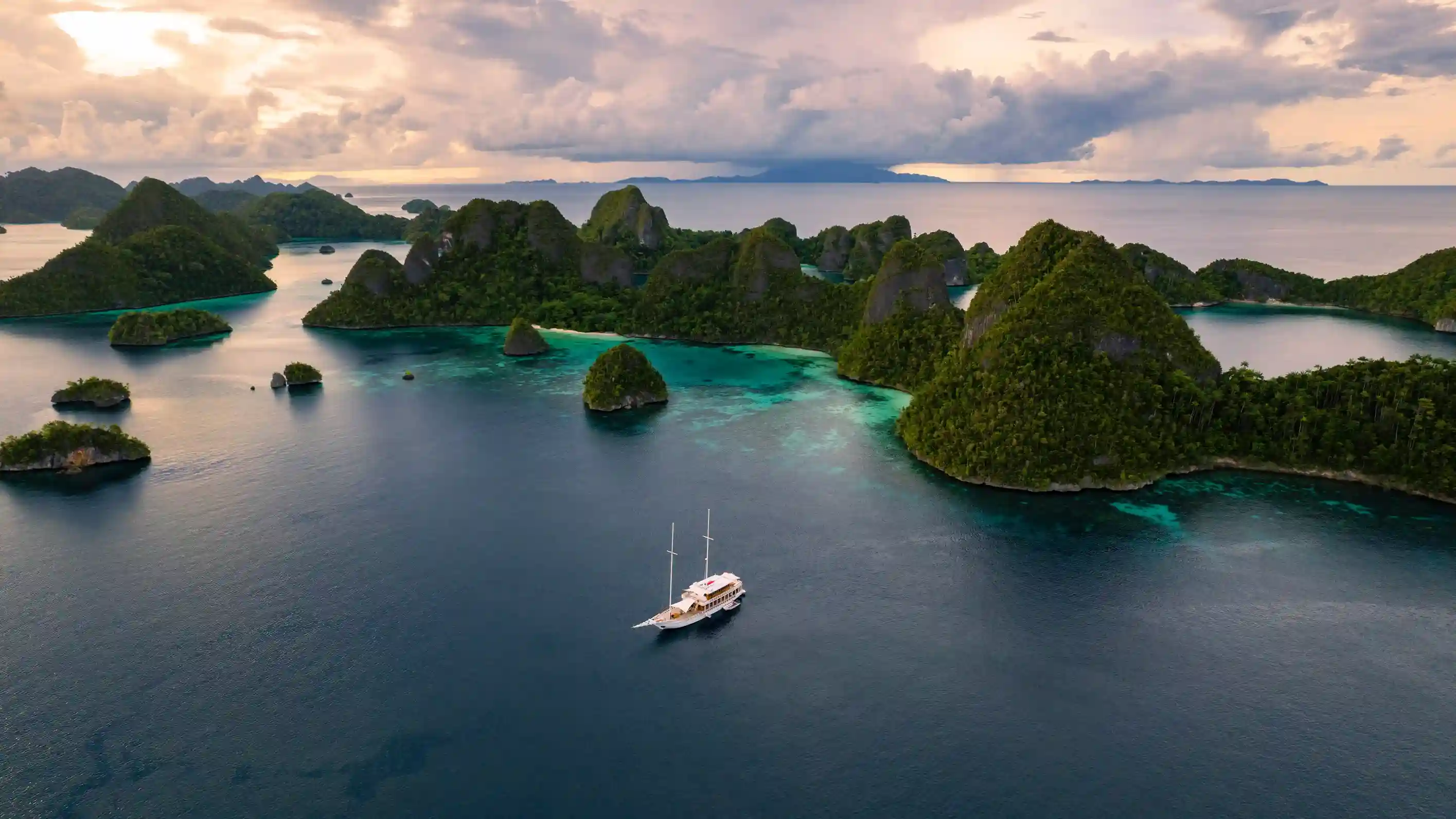
7D6N Raja Ampat Liveaboard 7D6N
Highest marine biodiversity on Earth — 7-day dive expedition
Liveaboard yacht through Raja Ampat dive sites: Misool, Wayag star formation, Cape Kri (highest fish biodiversity globally), pygmy seahorses, walking sharks. Price on request.
Price on request
Komodo Luxury
 Cultural Adventure
5 days
Cultural Adventure
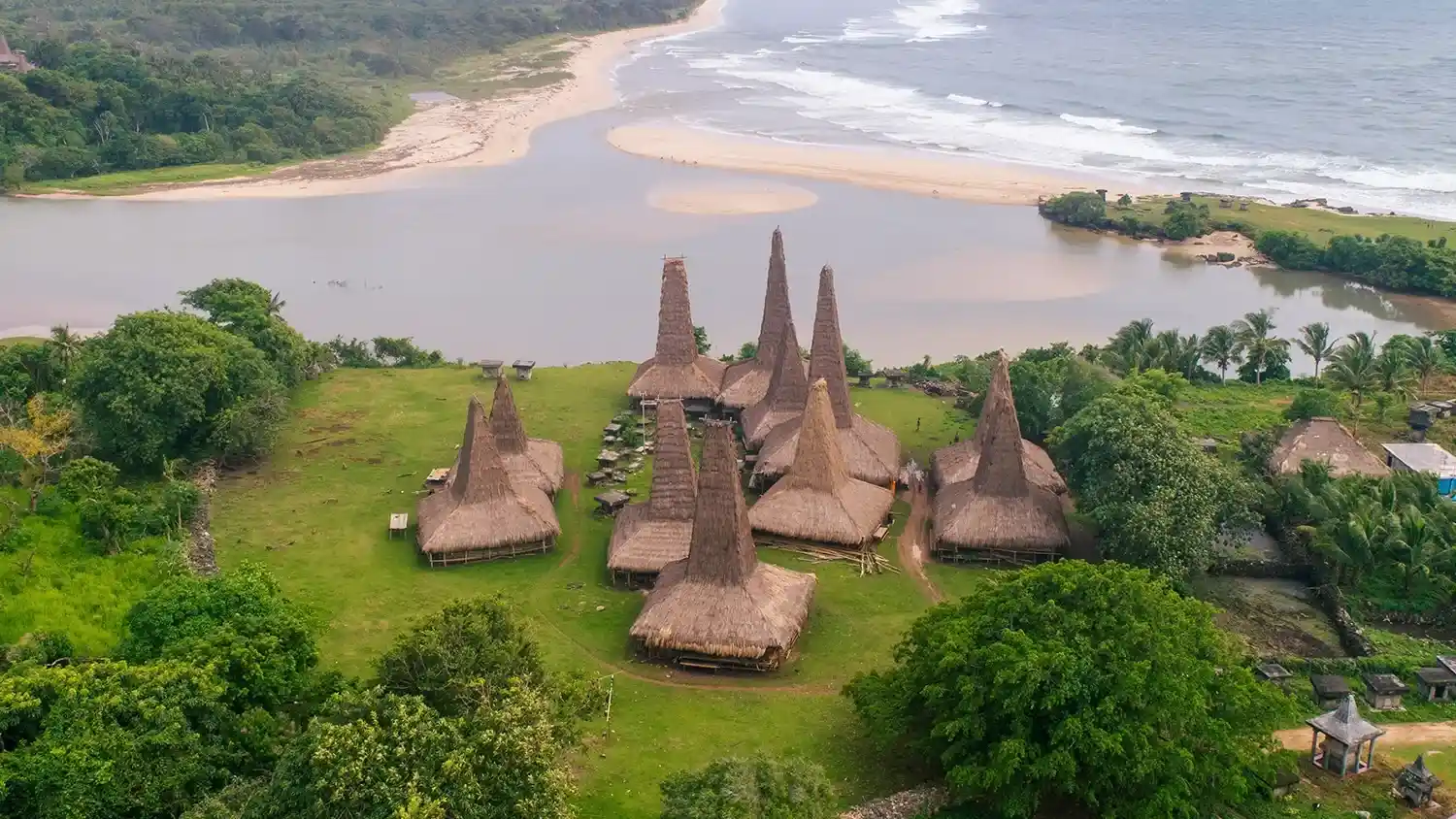
5 days Sumba Cultural Expedition
The 'African Indonesia' — savannah, Pasola, ikat villages
Off-the-beaten-path 5-day private expedition to Sumba: Wairinding savannah, Lapopu waterfall, Pasola horse festival (seasonal), traditional ikat weaving villages, Tarimbang surf beach. Indonesia Juara Trip flagship.
Price on request
Indonesia Juara Trip
 Marine Adventure
4D3N
Marine Adventure
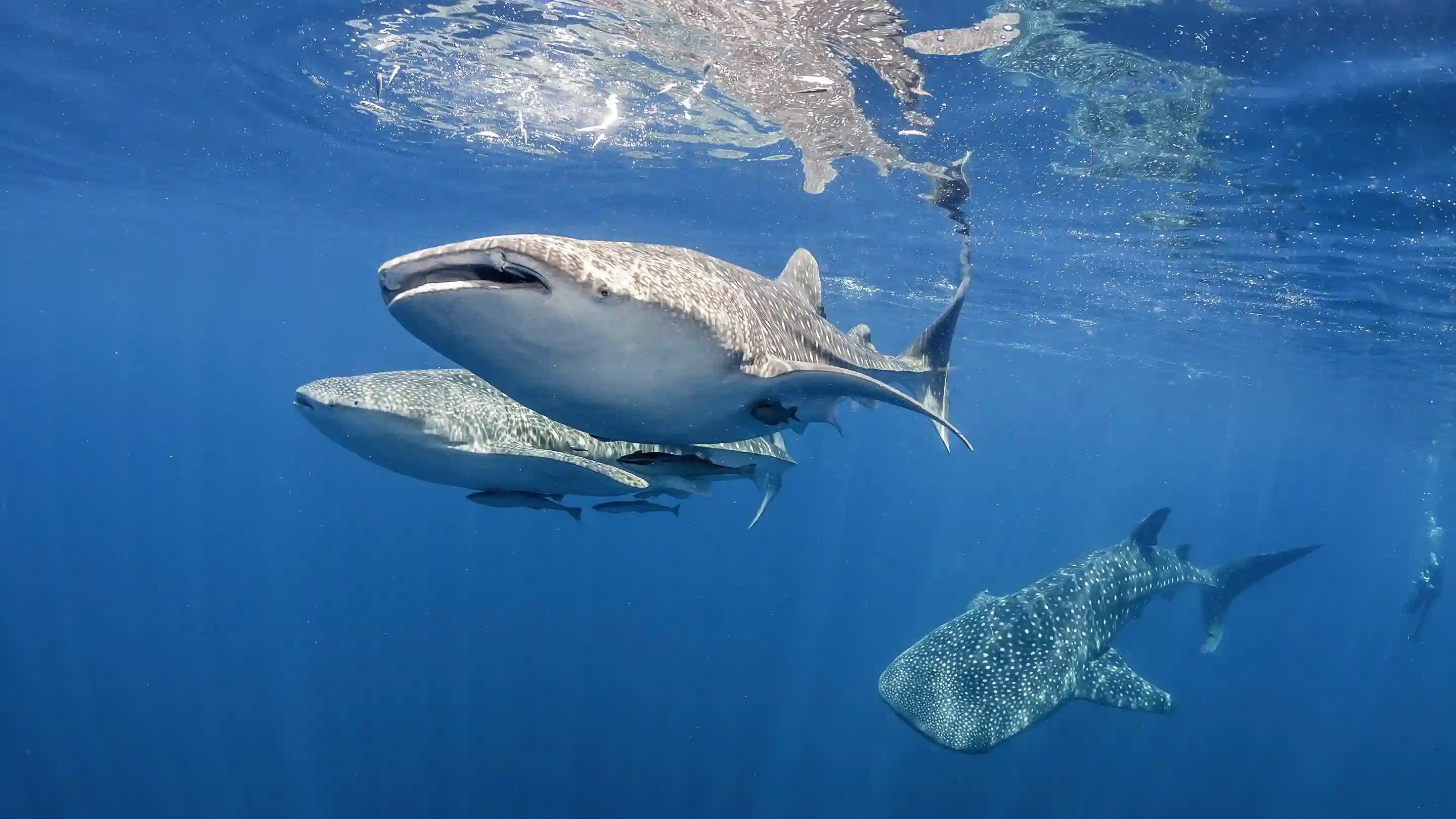
4D3N Derawan Whale Sharks 4D3N
Indonesia's best-kept marine secret — East Kalimantan
May–October whale shark season. Snorkel with whale sharks, jellyfish lake (Kakaban), sea turtles at Sangalaki, Maratua cliff dives. Beach bungalow stay. Price on request.
Price on request
Indonesia Juara Trip
Reserve with Confidence
USPA + FASI dual-certified, three-layer safety architecture, transparent operator. Join many on the VIP list.