
Best Time and Weather
|
2 min read
Aerial Tandem Skydiving Buleleng North Bali Dry Season
03 Jul 2026
Read

 Sky Dive in Bali Editorial Desk
The best time of year to skydive in Bali, as of 2027, generally falls within the dry season months when clearer skies and steadier wind conditions make for better visibility and fewer schedule disruptions — though weather on any given day still determines whether a jump actually goes ahead. This guide breaks down how Bali’s seasons affect tandem skydiving, whether rainy-season jumps are possible, and how to plan around the flexibility every booking requires.
Bali’s dry season, roughly spanning April through October, tends to bring clearer skies and more consistent wind patterns, which generally translates into better visibility during your jump and a lower chance of weather-related rescheduling. That said, “best” here means statistically more favorable conditions on average, not a guarantee — any single day within the dry season can still have unworkable wind or cloud cover, just as any day in the wetter months can turn out clear and calm.
Yes, jumps do happen during the wetter months, roughly November through March, but expect more day-to-day variability in whether your scheduled slot actually goes ahead. Rain and cloud cover during this period can affect visibility and wind conditions at the drop zone, so if you are traveling during this window, it helps to build extra flexibility into your itinerary around your booked date rather than treating the jump as a fixed, unmovable appointment.
For Indonesian-speaking travelers researching cuaca terbaik untuk terjun payung bali, the same principle applies: dry season mornings, before afternoon cloud buildup or wind shifts typically occur, tend to offer the steadiest conditions. Our operations team monitors conditions at the drop zone each day and will confirm or adjust your exact time slot accordingly, since no calendar-based guideline can substitute for an actual same-day assessment.
Breaking the year into rough windows can help with trip planning, even though exact conditions vary year to year:
Most travelers cannot fully control when their Bali trip happens, so the more useful question is often not “when is the best time to skydive” in the abstract, but “how do I make the most of my specific travel window.” If your trip falls in the wetter months, booking a date closer to the middle of your stay, rather than your first or last day, gives the operations team room to reschedule within your trip if the original slot does not work out. You can read more about this kind of scheduling flexibility on our clear-view timing guide.
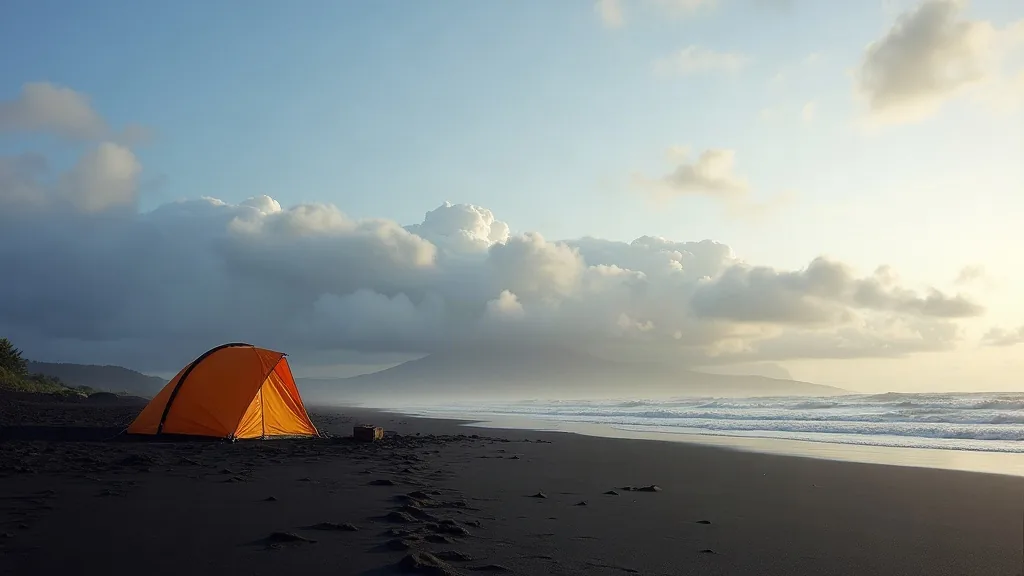
Beyond the season, time of day also affects conditions — mornings tend to have calmer wind before the day heats up and thermal activity increases, which is part of why many drop zone slots, including those over black-sand beach areas, are scheduled earlier rather than later in the day. If you have flexibility on timing, an early slot generally gives you the best combination of visibility and stable conditions, regardless of the broader season.
If conditions on your scheduled day are not workable, our team will reach out to discuss moving your slot to another time within your stay, rather than canceling outright. This is standard practice across the skydiving industry — no honest operator can promise a fixed jump date regardless of weather, since safety always comes first. Keeping a line of communication open via our reservation form in the days leading up to your trip helps us reach you quickly if a change is needed.
If your travel dates are flexible and skydiving is a priority for your trip, deliberately choosing dry season months — particularly outside the July–August crowd peak — tends to offer the smoothest combination of good weather and manageable booking availability. You can review our dry season skydiving guide for a closer look at what this period typically looks like at the drop zone.
It is worth separating two things that often get confused: weather suitability and booking availability. July–August and December–January bring generally decent weather in terms of wind and visibility, but because so many travelers are visiting Bali at the same time, drop zone slots fill up faster and there is less last-minute flexibility if you need to shift your date. If you are traveling during either peak window, booking further in advance than you might for a quieter month is a smart move, purely from an availability standpoint rather than a weather one.
Travelers who can be flexible sometimes overlook the shoulder periods just before or after the two peak windows — late June, early July, or February and March, for example. These stretches can offer a useful middle ground: generally workable weather without the full crowd pressure of peak season. If your dates allow it, asking our team about conditions and availability just outside the busiest windows can sometimes turn up a better overall experience than squeezing into the most popular weeks.
On the morning of your scheduled jump, our operations team assesses conditions at the drop zone directly rather than relying on a generic forecast alone, since local wind patterns near the coast can shift quickly and differ from broader regional weather reports. If a delay or reschedule is needed, we aim to let you know as early as possible so you can adjust your day’s plans accordingly, rather than leaving you waiting without clear communication.
Whatever time of year you are traveling, our team can give you an honest read on typical conditions for your dates and help you build in the flexibility needed for a smooth booking. Message The Sky Dive Bali via our reservation form at Reserve My Spot or email bd@juaraholding.com, and we’ll help you plan a jump window that gives you the best realistic chance at clear skies.

Sky Dive in Bali Editorial Desk


Experience the thrill of skydiving in Bali with our certified instructors. Book your tandem jump today.