
 Sky Dive in Bali Editorial Desk
By 2027, Bali skydiving 2027 for Indian outbound travelers is likely to attract 12,000–18,000 Indians a year, driven by cheaper India–Denpasar flights and higher spending per trip. Expect typical tandem prices around USD 1,200 (about ₹1 lakh) plus local fees and taxes, with strong demand for ocean-view exits and video content.
Indian outbound tourism is projected by regional travel analysts to exceed 50 million international trips annually by 2027, with Indonesia ranked among the fastest-growing leisure choices after Thailand and Dubai. That growth meets Bali’s reputation for coastal adventure and wellness, making skydiving a natural “bucket list” upgrade for repeat Indian visitors.
On the Bali side, two surveyed drop zones at Pantai Kelating (Tabanan) and Buleleng in North Bali offer ocean and volcano views, both already equipped and staffed but awaiting full public launch while airspace coordination continues. Once operations open for paid jumps, ocean view skydiving Bali products will directly compete with long‑haul options in Australia or Europe, but usually combined into 5–8 day holidays instead of single‑purpose trips.
For the Indian market, this means by 2027 more customized bali skydiving indian market packages: add‑on tandems for couples, short‑notice bookings for friends’ groups from Bengaluru, Mumbai or Delhi, and content‑ready edits for Instagram Reels and YouTube. Expect skydives to feature in bachelor parties, anniversary trips, and long-weekend escapes built around Bali beach clubs and temples.
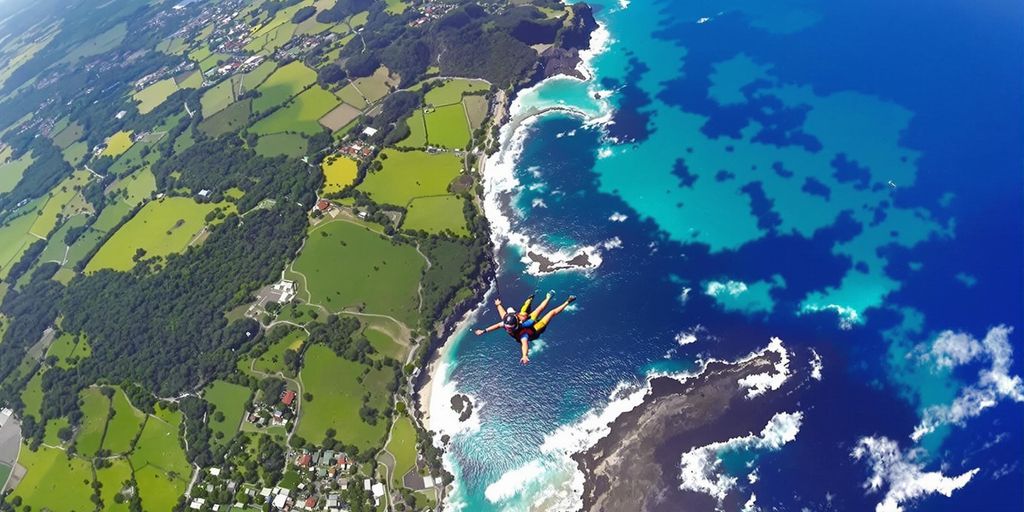
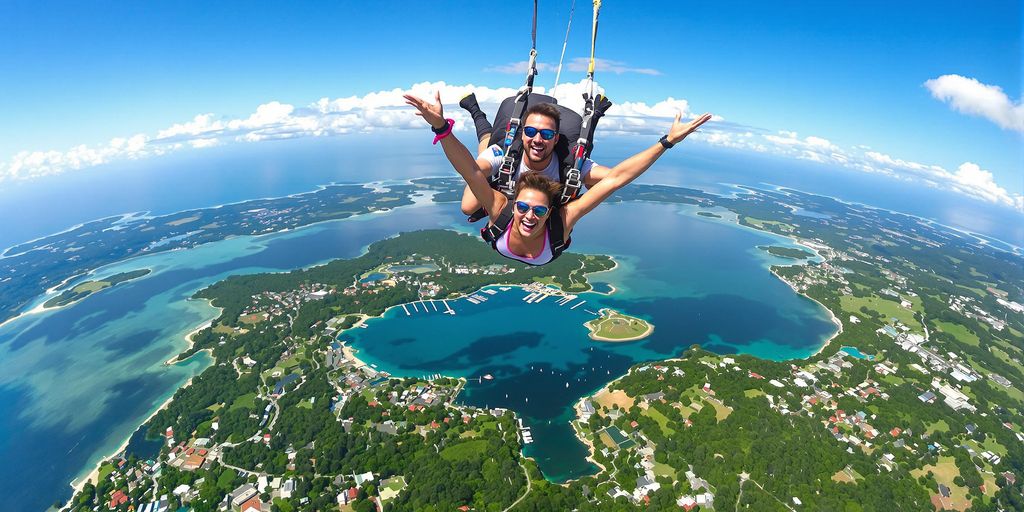
Skydiving over Bali in 2027 is defined by scenery and structure. Pantai Kelating in Tabanan, about 1.5 hours from Seminyak and Canggu, offers aircraft climbs with clear views of the Indian Ocean, rice terraces, and the southwest coastline. The Buleleng drop zone in North Bali provides glimpses of Mount Batur on clear days, especially in the May, June and September “peak window” highlighted in 2026 operator guides.
A standard tandem profile typically means exit altitude around 10,000–14,000 feet above sea level, 35–50 seconds of freefall, then a 5–7 minute parachute flight. For bali skydiving for solo travelers, 2027 will likely emphasize mentorship-style tandems and ground school add-ons, since full solo licenses require multiple jumps and medical checks that most short-stay tourists cannot complete.
Bali’s dry season May–September remains the preferred choice, especially May, June, and September, when winds and cloud cover are most favorable. November–March rainy months see more afternoon cancellations due to thunderstorms; 2026 operational notes mention 60–80% afternoon jump cancellations in that season, so Indian guests should lean toward morning slots if traveling over Diwali or Christmas–New Year breaks.
As of August 2026, a complete tandem skydive at Sky Dive Bali is published at USD 1,200, roughly Rp 19.5 million. With current exchange ranges, Indian guests can expect around ₹95,000–₹1,10,000 per person by 2027, depending on rupee volatility, bank forex markups, and seasonal promos.
That base normally includes aircraft seat, tandem instructor, equipment, basic photos and video, and standard operator insurance. Additional bali skydiving fees and taxes may apply on top, such as local tourism taxes, optional HD camera upgrades, private transport from South Bali, or premium editing for social media. Documentation from 2026 shows that reputable operators price all-inclusive where possible, but still separate government-imposed charges when regulations change.
For families or bali skydiving for gap year travelers, packages may spread fixed costs across small groups. Multi-activity bundles (raft + skydive + ATV) can soften headline prices, though each element still has its own safety and waiver requirements. The FAQ item “mengapa harga skydiving di bali bisa sampai belasan juta?” is especially relevant for Indian travelers comparing to domestic adventure: aircraft charter, instructor training, imported gear, and strict weight/maintenance ratings all push costs into the “tens of millions of rupiah” band, even before marketing or taxes are added.
By 2027, Indians typically research via search engines, social platforms, and aggregator sites, then contact operators via WhatsApp and email to verify safety and schedule. Sky Dive Bali lists a pre‑registration form and WhatsApp +62 811 2859 0000 in 2026 material, and similar direct channels will remain essential for scheduling windows around monsoon or wedding events.
Every guest must complete a bali skydiving medical questionnaire. Based on current health criteria, expect minimum age 18 (or 16+ with parental consent), minimum height 140 cm, and a firm maximum weight of 100 kg due to harness ratings. Pregnancy is not allowed, recent major surgery (within six months) usually needs a doctor’s clearance, and unstable heart disease is excluded. Travelers above 65 are encouraged to bring a medical note.
Indian travelers should also review the dedicated bali skydiving and insurance coverage 2027 guide to understand how their India‑issued travel insurance treats “air sports” and to see if add‑ons are needed. Visa and stay rules also influence trip length; those planning a skydive around public holidays should follow resources on how changing indonesia visa rules affect bali skydiving 2027 so jump dates match permitted stay periods.
By 2027, Indian visitors will access Bali not just via direct flights but increasingly through regional cruises calling at Benoa Harbour. Operators are preparing bali skydiving from cruise port benoa options that align with ship timings: early-morning pick-up, tandem jump, quick video delivery, and return to the gangway before departure. Time buffers will be essential, especially in rainy season when afternoon storms increase postponement risk.
Bali is also rising as a rite‑of‑passage stop on Southeast Asian backpacker routes, making bali skydiving for gap year travelers a popular choice. In these cases, cost-sensitive travelers may trade private transport and premium edits for standard packages, or join group slots to keep prices manageable while still capturing ocean view footage for their long-term memories and profiles.
Indian brands planning bali skydiving product launch stunts — for example, unveiling a new phone or sportswear line — often combine chartered aircraft, customized jumpsuits, and co‑branded content. For such campaigns, a private skydiving charter bali structure can separate corporate risk management and insurance from general tourist operations, providing NDAs, storyboarded filming, and contingency days in case of weather holds.
By 2027, skydiving in Bali will not only attract holidaymakers but also Indian entrepreneurs monitoring the adventure tourism sector. Questions around bali skydiving business for sale reflect interest in acquiring or partnering with existing operations that have already coordinated with AirNav Indonesia, TNI‑AU, and FASI for airspace and sport aviation permissions.
Indian investors evaluating such deals typically scrutinize aircraft lease structures, maintenance records, local staffing, and marketing channels into the Indian market. They also look at customer sentiment, often starting with the best skydiving bali reviews across major platforms to gauge service consistency and issue handling, from weather cancellations to refunds.
Those seeking deeper involvement can study regional demand data, examine how bali skydiving indian market packages are being tailored in 2026–2027, and then explore detailed projections through the dedicated page for skydiving bali investor opportunities. Structured involvement can range from minority stakes in operating companies to co‑branded campaigns tied to airline or OTA partnerships focused on India.
Start with safety and transparency. Check if the operator clearly states weight and age limits, weather policies, and a published bali skydiving refund policy. Review recent guest comments, not just star ratings, to understand issue handling. Confirm medical questionnaire requirements, insurance coverage, and whether instructors are experienced in tandem operations with first‑time jumpers.
Yes, a light meal 2–3 hours before your jump is usually recommended to avoid both dizziness and discomfort. Avoid heavy, oily, or very spicy food close to call time, and limit alcohol the night before. Hydration is important in Bali’s climate, so drink water regularly, but do not arrive overly full or completely empty-stomached.
Harga belasan juta rupiah mencerminkan biaya tinggi penerbangan dan keselamatan. Operator harus menyewa atau mengoperasikan pesawat, membeli dan merawat parasut tandem bersertifikasi, melatih instruktur berpengalaman, serta mematuhi koordinasi ruang udara dengan AirNav Indonesia, TNI‑AU, dan FASI. Asuransi, pajak, dan kru pendukung menambah komponen biaya yang tidak terlihat langsung oleh tamu.
A bali skydiving refund policy usually distinguishes between weather-related cancellations and guest-initiated changes. If jumps are canceled for safety reasons, operators typically offer rebooking or partial/full refunds. Late cancellations or no‑shows may incur higher penalties. Indian travelers should read conditions before paying and factor in monsoon patterns for afternoon slots.
Yes, bali skydiving for solo travelers is designed around tandem jumps with experienced instructors, so no prior experience is needed. Solo guests are commonly grouped into shared aircraft loads, which helps manage costs and timing. First‑timers should disclose medical history honestly, avoid last‑minute partying, and arrive early for briefings and paperwork.
For 2027 planning, tailored Indian packages, or collaboration proposals, contact the BD desk of Juara Holding Group (part of Juara Holding Group — since 2015) via WhatsApp 6281128590000 or email sales@balipremiumtrip.com.
Last updated 1 August 2026

Sky Dive in Bali Editorial Desk
Experience the thrill of skydiving in Bali with our certified instructors. Book your tandem jump today.
Operated by Bali Premium Trip · the same desk across our Bali network