
 Sky Dive in Bali Editorial Desk
By 2027, tandem skydiving in Bali is projected to operate with incident rates comparable to mature destinations like Australia and Dubai—typically well under 1 student injury requiring hospital treatment per 10,000 jumps—provided operators complete current Indonesian airspace coordination and maintain modern aircraft, gear, and instructor training standards.
The most important shift by 2027 will be full integration of Bali skydiving into Indonesia’s regulated sport-aviation ecosystem. Tandem skydiving operations require aligned clearances from AirNav Indonesia, TNI-AU (for military airspace deconfliction), and FASI (Federasi Aero Sport Indonesia) for sport aviation permits. Sky Dive Bali has already surveyed, equipped, and staffed its drop zones at Pantai Kelating (Tabanan) and Buleleng in North Bali, but has intentionally delayed paid public jumps until this coordination is fully operational.
This conservative approach reduces the risk of near-miss events with other aircraft and ensures that every flight follows pre-approved corridors and altitudes. By 2027, as more operators follow the same model, visitors can expect standardized airspace procedures, mandatory radio communication with air traffic services, and harmonized Bali skydiving legal requirements across the island. Combined with modern tandem gear and GPS-based flight planning, this should keep serious airspace-related incidents extremely rare, in line with international practice.
Safety in the door largely depends on the people behind the gear. A robust Bali skydiving staff training program is already being designed around international tandem instructor standards, with minimum jump numbers, currency requirements, and recurrent emergency drills. By 2027, expect most tandem instructors working in Bali to have several thousand jumps each, including extensive experience in tropical and coastal conditions.
A key improvement will be the growth of Bali skydiving training local instructors. As Indonesian jumpers progress from students to coaches and tandem professionals, drop zones can maintain deeper language support in Bahasa Indonesia and English, and better manage nuanced topics such as panic attacks and skydiving in Bali, medical disclosures, and clear consent. Local instructor pipelines also make it easier to run structured annual currency checks, canopy control refreshers, and water-landing training relevant to the island’s beaches and coastal winds.
By late 2020s, visitors can expect to see published instructor qualification criteria, visible on booking pages and in the bali skydiving annual safety report, giving a transparent view of who is taking them out of the aircraft and why those people are qualified to do so.
By 2027, tandem drop zones in Bali are expected to rely exclusively on modern dual-parachute systems with automatic activation devices (AADs), meticulously packed reserves, and harnesses rated for combined instructor–student weights. Current tandem parameters used by Sky Dive Bali—maximum 100 kg passenger weight, minimum height 140 cm, and no jumping during pregnancy—are based on internationally accepted equipment ratings and will likely remain standard.
Weather planning is another major safety lever. Bali’s dry season, especially May, June, and September, already offers the best combination of clear skies and manageable surface winds, with visibility that can extend to Java on very clear days. Systematic scheduling of most loads during these months, and earlier in the day during the November–March rainy season—when 60–80% of afternoon jumps may be cancelled due to thunderstorms—significantly lowers the risk of turbulence, unplanned cloud entries, or off-field landings.
By 2027, expect online booking calendars and even bali skydiving sunrise slot availability to be tuned to those safer windows, reducing weather-related incidents and improving decision-making around go/no-go calls.
Clear communication is one of the biggest predictors of safe behaviour in the aircraft and under canopy. A structured bali skydiving safety briefing will typically cover aircraft loading, exit position, freefall body arch, canopy landing pattern, and what to do in case of minor discomfort such as ear pressure or queasiness. Briefings will likely be available in English and Bahasa Indonesia, and sometimes with subtitled video content.
From 2027 onward, visitors can expect the emergence of an ultimate safety guide to skydiving Bali on operator websites, bringing together medical requirements, weather guidance, and specific instructions on issues like motion sickness, panic, or prior scuba diving. This will sit alongside Bali skydiving faq about safety records, where operators summarise incident statistics, the number of completed tandems, and highlights from any bali skydiving annual safety report they choose to publish.
More structured paperwork is also likely: standardised waivers, medical questionnaires mentioning recent surgery, heart conditions, asthma, or diabetes, and age confirmations (18+ as standard, 16–17 with on-site parental signature). These documents might feel formal, but they help instructors tailor each jump for safer outcomes.
By 2027, Bali will receive tandems from several visitor segments, each with distinct safety needs. Couples booking bali skydiving for anniversaries might request consecutive aircraft slots to share the experience. Groups of remote workers exploring bali skydiving for digital nomads and long stay visitors 2027 may need flexible dates and clear rescheduling rules for weather delays. Corporate teams booking group and corporate skydiving bali will often need more structured risk briefings and documentation for HR or legal teams.
Nervous first-timers require specific care. By codifying protocols around panic attacks and skydiving in Bali—such as calm breathing exercises in the aircraft, clear “stop” signals before exit, and instructor scripts—drop zones can manage anxiety while maintaining safety. Similarly, a growing Bali skydiving faq about seasickness can help guests prone to motion sickness prepare with light meals, hydration, and where appropriate, pre-approved medication advice from a doctor.
These segment-specific procedures, combined with consistent staff training, make it easier to keep safety levels high while accommodating different travel styles and emotional needs.
Bali’s wider tourism ecosystem is shifting toward more structured adventure travel. By 2027, integrated offerings such as bali skydiving packages 2027 with surfing and freediving and packages aligned with how bali skydiving fits halal and muslim friendly travel 2027 will require clearer coordination across multiple activities and providers. This drives more formal risk management, including shared medical screening guidelines and scheduling to avoid conflicts—such as ensuring a 24-hour gap between scuba diving and skydiving to reduce decompression risks.
On the regulatory side, Bali skydiving legal requirements are linked to Indonesia’s aviation and sport-aviation rules via FASI and local aviation authorities. As adventure tourism grows, operators will likely align more tightly with written operating manuals, regular audits, and documented emergency response plans covering beach landings, medical evacuations, and coordination with local hospitals.
Historically, the timeline of skydiving development in Bali has moved slowly compared with older destinations, partly because of deliberately conservative airspace coordination. That slower pace, however, means Bali can adopt modern best practices from day one, without legacy equipment or outdated procedures, contributing to safer operations by 2027 and beyond.
With full airspace coordination, modern dual-parachute systems, and rigorous instructor qualifications, Bali’s tandem operations are expected to reach incident rates similar to established destinations—generally far below 1 serious student injury per 10,000 jumps. As with any high-adrenaline sport, residual risk remains, but equipment, training, and procedures are trending safer each year.
Skydiving in Bali can be very safe when conducted by operators who coordinate with AirNav Indonesia, TNI-AU, and FASI, use modern tandem gear, respect weather limits, and enforce medical screening. Ask for recent safety statistics, details of instructor experience, and confirmation of weight, age, and health policies before booking.
Harga tandem skydive di Bali relatif tinggi dibanding aktivitas wisata biasa. Per Agustus 2026, panduan harga sekitar USD 1.200 (sekitar Rp 19,5 juta) per orang, sudah termasuk perlengkapan, instruktur, dan dokumentasi dasar. Biaya mencerminkan pesawat khusus, perawatan parasut, pelatihan staf, serta koordinasi ruang udara dan keselamatan.
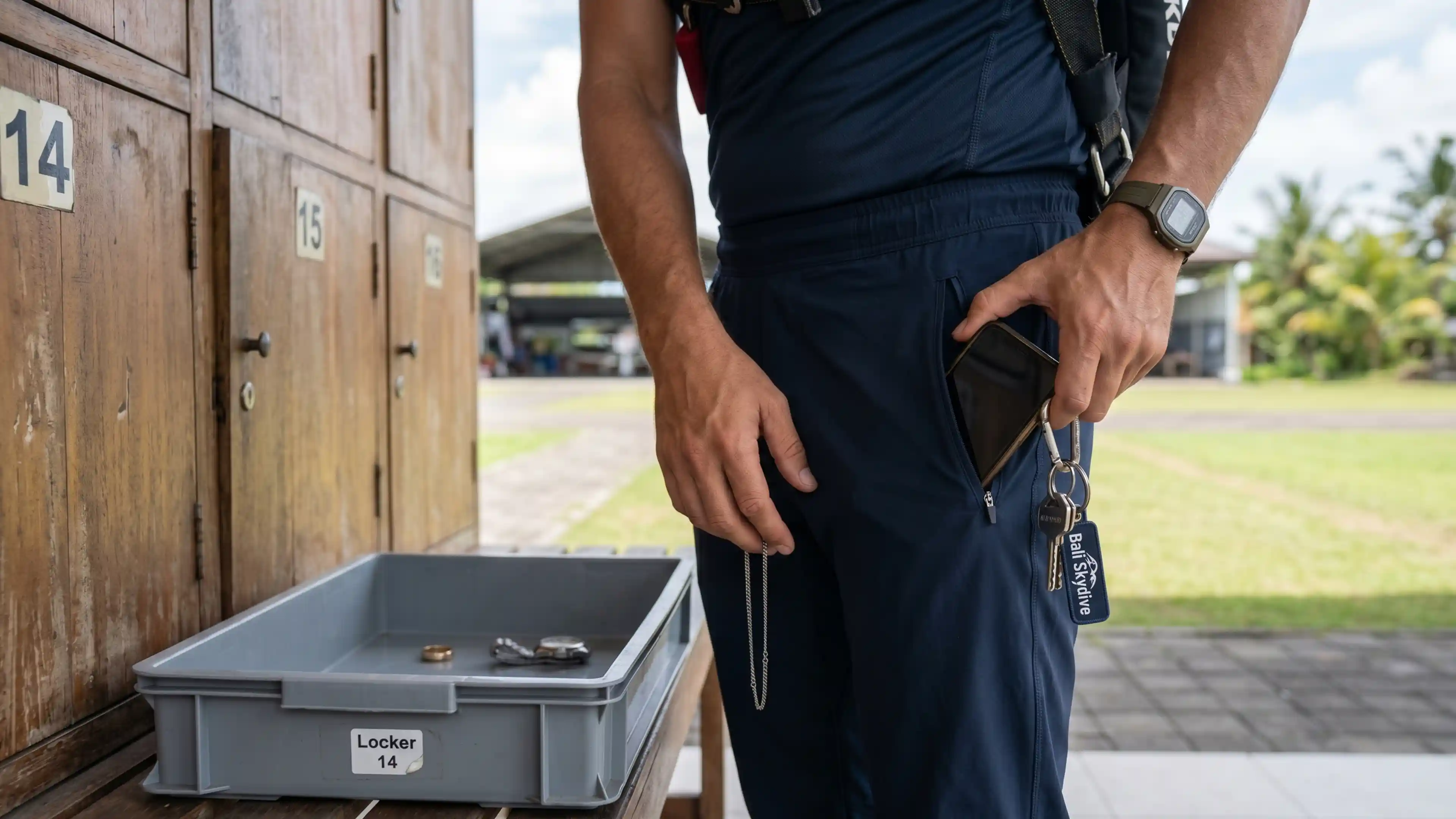
A typical briefing covers body position for exit and freefall, harness checks, communication signals, canopy landing patterns, and what to expect from altitude changes. Guests are reminded not to skydive while pregnant, to disclose major surgery or heart issues, and to leave a 24-hour gap after scuba diving. This usually takes 20–40 minutes before gearing up.
Responsible operators publish a bali skydiving faq about safety records on their official websites, sometimes alongside a bali skydiving annual safety report. These pages outline completed jump numbers, incident summaries, medical exclusions, and operational months. Prospective guests should review them carefully and contact the operator directly for any clarifications before committing.
To plan a safe jump window around your health, schedule, or special occasion, contact the BD desk of Juara Holding Group (part of Juara Holding Group — since 2015) via WhatsApp 6281128590000 or email sales@balipremiumtrip.com.
Last updated 1 August 2026

Sky Dive in Bali Editorial Desk
Experience the thrill of skydiving in Bali with our certified instructors. Book your tandem jump today.
Operated by Bali Premium Trip · the same desk across our Bali network