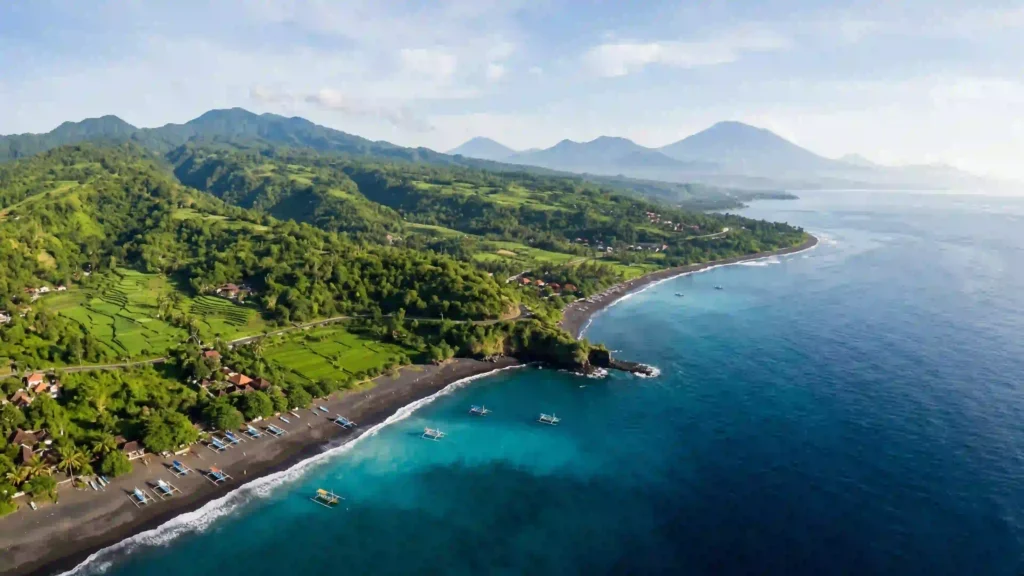


 Sky Dive in Bali Editorial Desk
By 2027, Bali adventure tourism trends point to skydiving joining surfing and scuba as a “big three” draw, with projections of 15–25% of high-spend adventure visitors shortlisting a jump. Strong integration with official tourism promotion, tighter AirNav Indonesia skydiving coordination, and a clear sustainable tourism angle will drive this growth.
The long term forecast for Bali adventure tourism through 2027 shows demand shifting from passive sightseeing to highly curated, high-adrenaline experiences. Surfing and diving remain anchors, but premium visitors increasingly want a once-in-a-lifetime story to pair with their villa, wellness, and culinary spend. That is where tandem jumps over Bali’s coastline enter the picture.
By 2027, Bali is expected to welcome more remote workers and long-stay couples thanks to evolving visa categories. Scenario studies around how changing Indonesia visa rules affect Bali skydiving 2027 suggest more visitors with both time and budget to add a skydive. With tandem prices already at USD 1,200 (about Rp 19,5 juta as of August 2026), skydiving naturally targets the upper tier of the market alongside private boat dives in Nusa Penida and expert surf coaching on the Bukit.
Sky Dive Bali’s surveyed drop zones at Pantai Kelating (Tabanan) and in Buleleng position skydiving in two key adventure corridors: the west coast surf belt and the north Bali diving and trekking loop. Coordination with AirNav Indonesia, TNI-AU, and FASI is the critical unlock so that skydiving can be promoted on the same calendar as major surf and dive events by 2027.
By 2027, the best adventure combos with skydiving in Bali will likely revolve around “3D” trip design: drop, dive, and dry-land exploration. A classic sequence links a west-coast surf lesson, a rest day, and then a tandem jump over Pantai Kelating, followed by cultural touring in Tabanan’s rice terraces. For north Bali, the pairing is sunrise trekking plus skydiving with views toward Mount Batur and the Java Strait.
Health and safety planning is central here. The widely referenced scuba diving and skydiving in Bali 24 hour rule will remain non‑negotiable: guests need at least 24 hours between their last dive and any skydive to reduce decompression sickness risk, as already emphasised in Sky Dive Bali’s 2026 materials. That timing constraint shapes how operators package multi-day adventure itineraries.
Surf and skydive weekends are especially attractive for domestic and regional visitors flying in Friday night and leaving Sunday. For honeymooners and milestone-trip guests, a honeymoon skydiving package Bali can be combined with private freediving coaching, waterfall canyoning in north Bali, or e‑bike tours through the countryside to keep the adrenaline-to-rest ratio right across three to five days.
Bali’s tourism authorities have signalled a clear push for higher value, lower impact travel in planning documents leading into 2027. That creates fertile ground for a Bali skydiving sustainable tourism angle, because jumps can be structured as low-footprint, small‑group departures using existing airfields and carefully managed beach access rather than new mass infrastructure.
Sky Dive Bali’s drop zones at Pantai Kelating and in Buleleng are in regions already grappling with coastal erosion and community concerns about overdevelopment. This means that any expansion in flight operations has to be matched with local partnerships, waste‑free staging areas, and strict group size limits. Thoughtful scheduling in the dry season—May, June, and September are already identified as the best operational window with clear skies and moderate winds—also reduces unnecessary repositioning flights and weather-related aborts.
By 2027, good practice will likely include carbon reporting per jump, clean‑energy ground operations such as Bali skydiving charging points for devices powered by solar, and cooperative promotion through village tourism groups. As more official guidance emerges on how safe will skydiving in bali be by 2027, sustainability and safety will be framed side by side for international visitors evaluating Bali against other adventure hubs in Asia-Pacific.
A key 2027 trend will be deeper Bali skydiving integration with tourism board strategy. As skydiving moves from niche curiosity to flagship premium product, expect closer collaboration on imagery, safety messaging, and seasonality campaigns, especially around the May–June and September “golden window” already identified by operators.
Being included in a Bali skydiving listing on official tourism sites will not just be a marketing perk; it will also signal to agents and insurers that basic coordination with AirNav Indonesia skydiving coordination and FASI permissions is in place. This is vital for international tour operators bundling jumps into longer Indonesia itineraries that may cover Flores, Komodo, or Raja Ampat.
Packages that pair tandem jumps with surfing, diving, and cultural touring are likely to be featured prominently in digital campaigns targeting Australia, Singapore, and Europe. The long term forecast for Bali adventure tourism suggests that certification—such as having experienced tandem instructors and clear weather cancellation policies—will matter as much as visuals in deciding which operators get pushed in official content.
Bali is already a heavyweight for romantic travel, and the emerging niche of Bali skydiving for adventure honeymooners fits neatly into the island’s shift toward more personalised, story‑driven experiences. Couples increasingly want a shared challenge that sits alongside fine dining and spa rituals—something raw and memorable that marks the start of married life.
By 2027, a honeymoon skydiving package Bali is likely to include private transport, flexible Bali skydiving sunset slot availability in the dry season, high‑end photo and video, and perhaps a post‑jump dinner or beach picnic. With Sky Dive Bali’s primary drop zone around 1.5 hours from Seminyak and Canggu, it is easy to integrate a tandem into a wider week of surfing, yoga, and restaurant hopping.
Safety reassurance is fundamental for this segment. Couples frequently research bali skydiving and insurance coverage 2027 guide resources and ask detailed questions about weather, equipment, and instructor experience before confirming. Well‑structured briefings, conservative weight and health limits (such as the existing 100 kg maximum and minimum 140 cm height), and clear refund policies help transform nerves into excitement.
The history of skydiving in Bali is relatively young compared with well‑established hubs in Australia or the US. Past activity was limited and largely event-based, with small groups of experienced jumpers arranging temporary operations. The step‑change came as dedicated drop zones like Pantai Kelating and Buleleng were surveyed, equipped, and staffed specifically for tandem tourism.
However, operators have openly chosen to wait on full paid public operations until coordination with AirNav Indonesia, TNI‑AU, and FASI reaches an operationally robust state. That cautious approach shapes realistic expectations for 2027: skydiving in Bali is moving toward maturity, but with a focus on quality and safety rather than volume.
As official tourism partners and regulators converge around clear standards, Bali is poised to become a boutique alternative to mass‑market drop zones elsewhere—particularly attractive to guests already in Bali for surfing, yoga, diving, or luxury villa stays. For those seeking extra privacy and service layers, dedicated luxury vip skydiving bali offerings are expected to sit at the pinnacle of the adventure product ladder.
Fear of heights is common, and many Bali tandem guests feel nervous at first. Short, structured briefings, meeting the instructor early, and understanding each step of the jump help a lot. Breathing techniques, focusing on horizon views rather than looking straight down, and clear exit countdowns all reduce anxiety so excitement replaces fear during freefall.
As of August 2026, resmi harga tandem Sky Dive Bali dipublikasikan sebesar USD 1.200 per orang, sekitar Rp 19,5 juta tergantung kurs hari itu. Angka ini sudah all‑inclusive untuk perlengkapan, instruktur tandem, dan paket foto/video. Untuk 2027, tarif bisa berubah mengikuti inflasi, biaya aviasi, dan nilai tukar rupiah terhadap dolar.
By 2027, expect a skydiving‑centric adventure offer to include hotel pickup and drop‑off, ground training, all safety gear, tandem instructor services, and digital media. Many itineraries will also pair the jump with surfing lessons, guided scuba or snorkelling (respecting the 24‑hour rule), and curated dining or spa experiences to round out a full‑day or multi‑day package.
Sunset slots will remain limited and highly weather‑dependent. In dry months—especially May, June, and September—operators can usually plan late‑afternoon loads, but wind and cloud cover still govern final decisions. Expect priority for honeymooners and private groups, and plan to hold a flexible day in your itinerary in case rescheduling is needed.
Rain, low cloud, or strong winds can delay or cancel jumps, especially in the November–March rainy season, when up to 60–80% of afternoon loads may be scrubbed. Operators monitor real‑time forecasts and may move guests to earlier slots or different days. Safety always comes first, so clear refund or rebooking policies are essential before you confirm.
To align your 2027 Bali adventure plan with current skydiving openings, sustainable options, and honeymoon‑ready packages, contact the Juara Holding Group BD desk via WhatsApp 6281128590000 or email sales@balipremiumtrip.com.
Last updated 1 August 2026

Sky Dive in Bali Editorial Desk
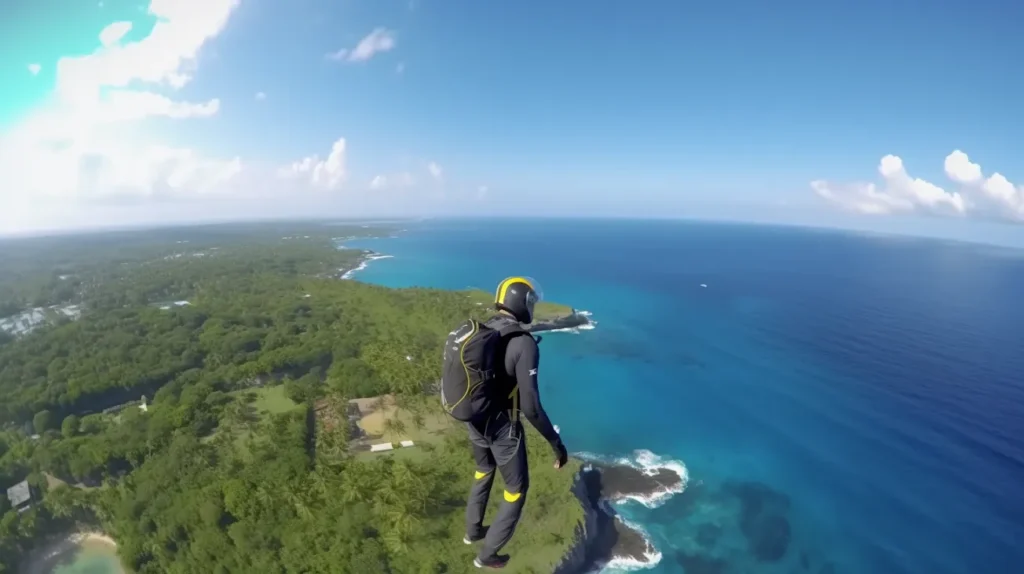
Experience the thrill of skydiving in Bali with our certified instructors. Book your tandem jump today.
Operated by Bali Premium Trip · the same desk across our Bali network