SAFETY DEEP-DIVE
Is Skydiving in Bali Safe? An Operator-Side Risk Breakdown (2026)
The numbers, the equipment, the certifications, and the real failure scenarios — the most transparent skydive safety analysis you’ll find online, written by the operators who run the drop zone.
Skydiving safety questions are the highest-volume search query in our niche — and with good reason. You’re stepping out of an aircraft at 14,000 ft. The question deserves an honest answer, not the corporate-marketing version. This is the operator-side breakdown of how Bali tandem skydiving actually achieves the 0.003-fatality-per-1,000-jumps statistic, where the failure modes are, and why our drop zone at Sky Dive Bali is engineered to be safer than the global average.
The Headline Statistic (and What It Actually Means)
Per United States Parachute Association (USPA) data, tandem skydiving has a fatality rate of approximately 0.003 per 1,000 jumps. To put that in perspective: you’re statistically safer doing a tandem skydive than driving the equivalent distance from Seminyak to the the Buleleng coast drop zone (roughly 90 km round-trip, with Bali road accident rates).
That 0.003 figure is for tandem specifically — solo (sport) skydiving has a different rate (~0.005). The tandem advantage comes from professional instructor control of the entire jump.
The Three-Layer Safety Architecture
Every tandem jump runs three independent safety systems, designed to fail safe even if any two systems malfunction:
Layer 1: The Main Parachute
USPA-certified main canopy (typically Sigma 360 or Vector tandem). Deployed manually by instructor at 5,500 ft. Inspected before every flight, repacked every ~30 jumps by USPA-certified rigger. If main fails to open or has a malfunction (line twist, broken line, slider stuck), instructor performs a “cut-away” — releases the main and deploys reserve.
Layer 2: The Reserve Parachute
Independent reserve canopy. Repacked every 180 days by FAA Senior Rigger (regardless of whether used). Connected to a Reserve Static Line (RSL) so when main is cut away, reserve auto-deploys. Reserve has a much smaller spread than main — slower descent rate, designed for safe landing even with malfunction.
Layer 3: Automatic Activation Device (AAD)
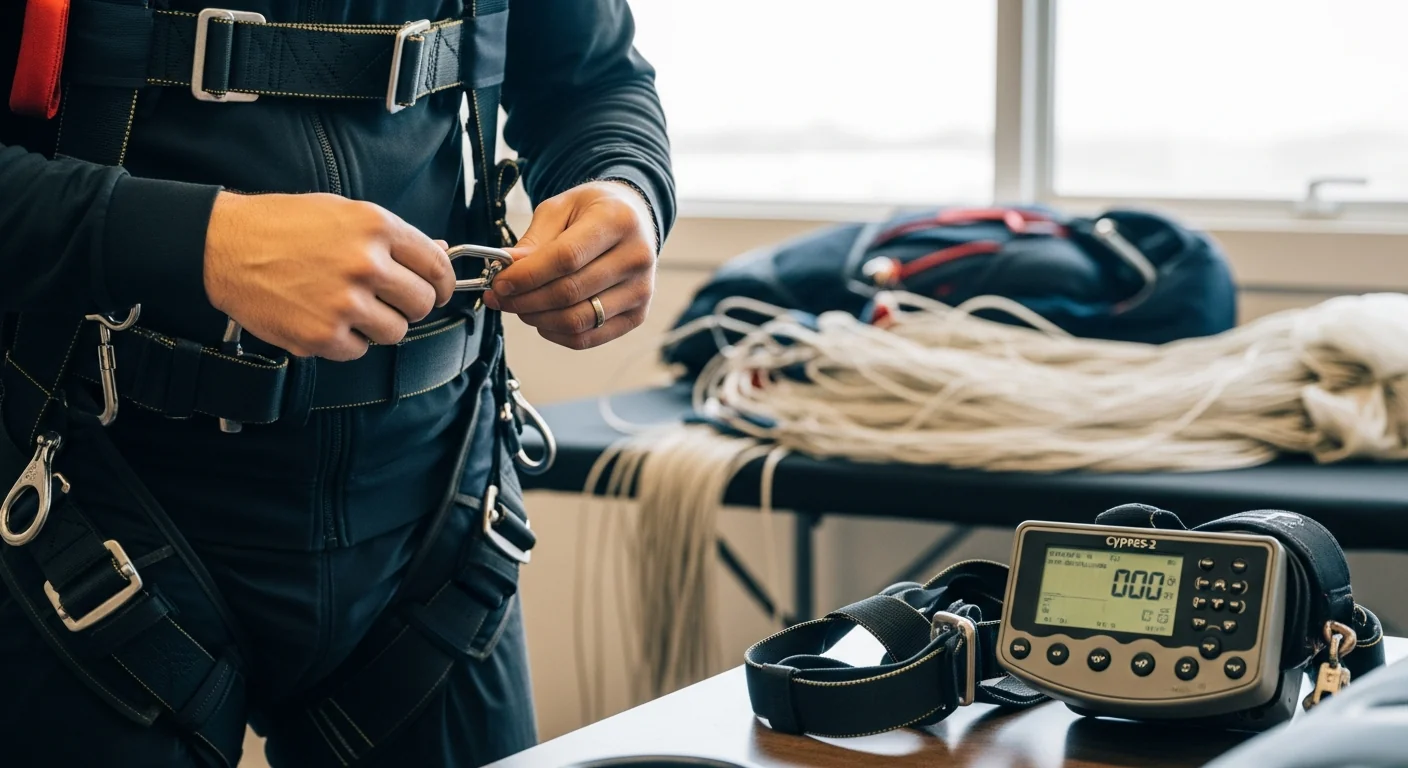
Cypres-2 or Vigil-2 device (industry standard). Computes altitude and descent rate. If you’re at 1,000 ft AGL still falling at terminal velocity (i.e., main and reserve both failed), AAD automatically fires the reserve. AAD batteries replaced every 4 years per manufacturer schedule.
For all three to fail simultaneously requires a sequence of failures so improbable that it’s literally never happened in tandem operations under USPA standards.
What Actually Goes Wrong (Real Failure Modes)
- Main canopy line twist — line tangling on opening. Instructor handles in 5-10 seconds via leg kicks. ~5% of jumps.
- Slider stuck — main canopy doesn’t fully open. Cutaway + reserve.
- Hard opening — opening shock higher than normal due to body position. Generates G-force > 4G. Extremely rare.
- Landing injury — most common “accident” — sprained ankle on bumpy landing or hard touch in cross-wind. Statistically <
- Equipment failure cascade — main + reserve simultaneous failure. AAD prevents fatality. Has not occurred in USPA-rated tandem operations.
Bali-Specific Risk Considerations
- Airspace coordination: Bali shares airspace with Ngurah Rai International (DPS). Our drop zones at Buleleng and Buleleng sit outside DPS approach corridors with 5+ NM lateral separation.
- Surface winds: Tabanan coastal winds are MORE predictable than inland Bali due to consistent sea-breeze pattern. Pre-dawn jumps (5-10 knot winds) safer than mid-day (15-25 knot).
- WeatherDuring the wet season (November–March) afternoon thunderstorms often cancel later slots; morning jumps are more likely to proceed. Availability is confirmed by the desk when dates open. We don’t push marginal weather — refunds and reschedules over risk.
- Landing zone: Black-sand beach landing is softer than grass field. Cross-wind landings are harder than into-wind. Instructor selects approach based on conditions.
Operator Verification: How to Vet a Skydive Operator
Before booking any tandem skydive in Indonesia, verify these three:
- FASI certification — Federasi Aero Sport Indonesia. Listed on fasi.or.id. Sky Dive Bali holds active FASI rating.
- USPA tandem instructor numbers — every USPA tandem instructor has a number you can verify on uspa.org. Ask for instructor’s USPA number before booking.
- AirNav coordination agreement — every legal Indonesian drop zone needs ATC airspace coordination. Sky Dive Bali holds active agreement for Tabanan + Buleleng airspace blocks.
Read our the team Our Team page for individual USPA + FASI credentials of every instructor on the operation.
What the Statistics Don’t Capture
The 0.003-fatality-per-1,000 figure includes operations with varying standards globally — including some with weaker oversight than Bali. USPA + FASI dual-certified operations like ours run statistically safer than the average. Combined with our pre-dawn weather window operation (calmer winds), the practical safety profile of the Sky Dive Bali operation skydives is well below the global tandem average.
Insurance Considerations
Standard travel insurance excludes skydiving. Buy adventure-sport rider (as part of planned luxury VIP options) before arriving. Or our concierge bundles travel insurance with the booking.
Decision Framework: Should You Skydive?
- Under 100 kg, age 18+, no pregnancy, no recent surgery → statistically safer than driving. Book.
- Has heart condition, recent surgery, controlled epilepsy → require doctor’s clearance, then book.
- Pregnant, uncontrolled epilepsy, weight over 100kg → don’t skydive. Read our paragliding alternative guide.
Explore More of Indonesia
These links are ideas for separate travel enquiries. Check each linked website for the provider, current availability, itinerary and written terms. Any displayed rate is an existing listing, not a quote or a package linked to a future skydive.
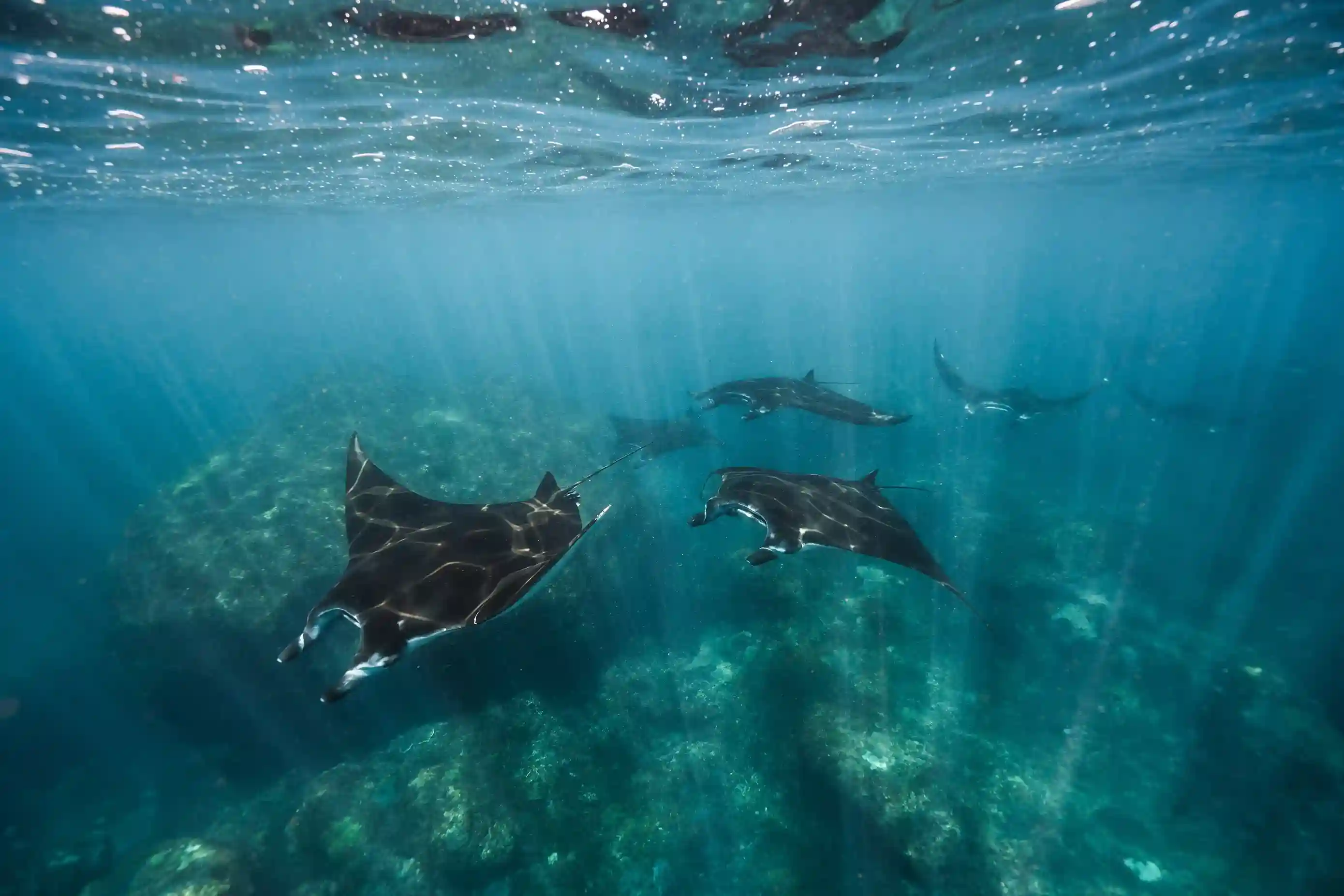 Marine Adventure
1 Day
Nusa Penida Diving Enquiry
Explore diving and snorkelling options
Explore Nusa Penida diving and snorkelling options through the linked website. Confirm the proposed sites, boat timetable, equipment, participant requirements and inclusions before booking. Wildlife encounters and visibility are not guaranteed.
Price on request
balipremiumtrip.com
 Luxury Yacht
3D2N
Sailing Komodo 3D2N
Komodo sailing itinerary ideas
Explore Komodo sailing options through the linked website. Ask about the actual vessel, route, meals, crew arrangements and complete inclusions, then review the provider and written booking terms.
Price on request
komodoluxury.com
 VIP Transport
Half day
Bali Transfer Enquiry
Discuss the route, vehicle and travel dates
Use the linked transfer website to ask about an Alphard or another proposed vehicle, the route, driver arrangements and included services. This card does not confirm transport to an operating skydive or a reserved jump date.
Price on request
balipremiumtrip.com
 Curated Tour
8 hours
Private Bali Day Tour
Discuss a route around your interests
Enquire about a Bali itinerary through the linked website, including places such as Tegalalang, Tanah Lot or Uluwatu. Confirm access, transport, guide arrangements, meals and any performance schedule in the actual proposal.
Price on request
balipremiumtrip.com
 Luxury Stay
Per night
Bali Villa Stay Enquiry
Explore a stay around your travel plans
Ask the linked villa website about accommodation, location, facilities, services and availability for your travel dates. A separate villa offer needs its own provider and booking terms; no stay or jump date is held by this listing.
Price on request
balipremiumvilla.com
 Marine Adventure
7D6N
Raja Ampat Liveaboard 7D6N
Liveaboard itinerary ideas for Raja Ampat
Explore Raja Ampat liveaboard options through the linked website. Discuss the proposed vessel, route, activities, participant requirements and inclusions. Destinations and wildlife sightings should not be treated as guaranteed.
Price on request
komodoluxury.com
 Cultural Adventure
5 days
Sumba Cultural Expedition
Landscapes, villages and local craft traditions
Enquire about a Sumba itinerary through the linked website, including landscapes, village visits and weaving traditions. Confirm the actual route, host arrangements and any seasonal events with the provider before booking.
Price on request
indonesiajuara.asia
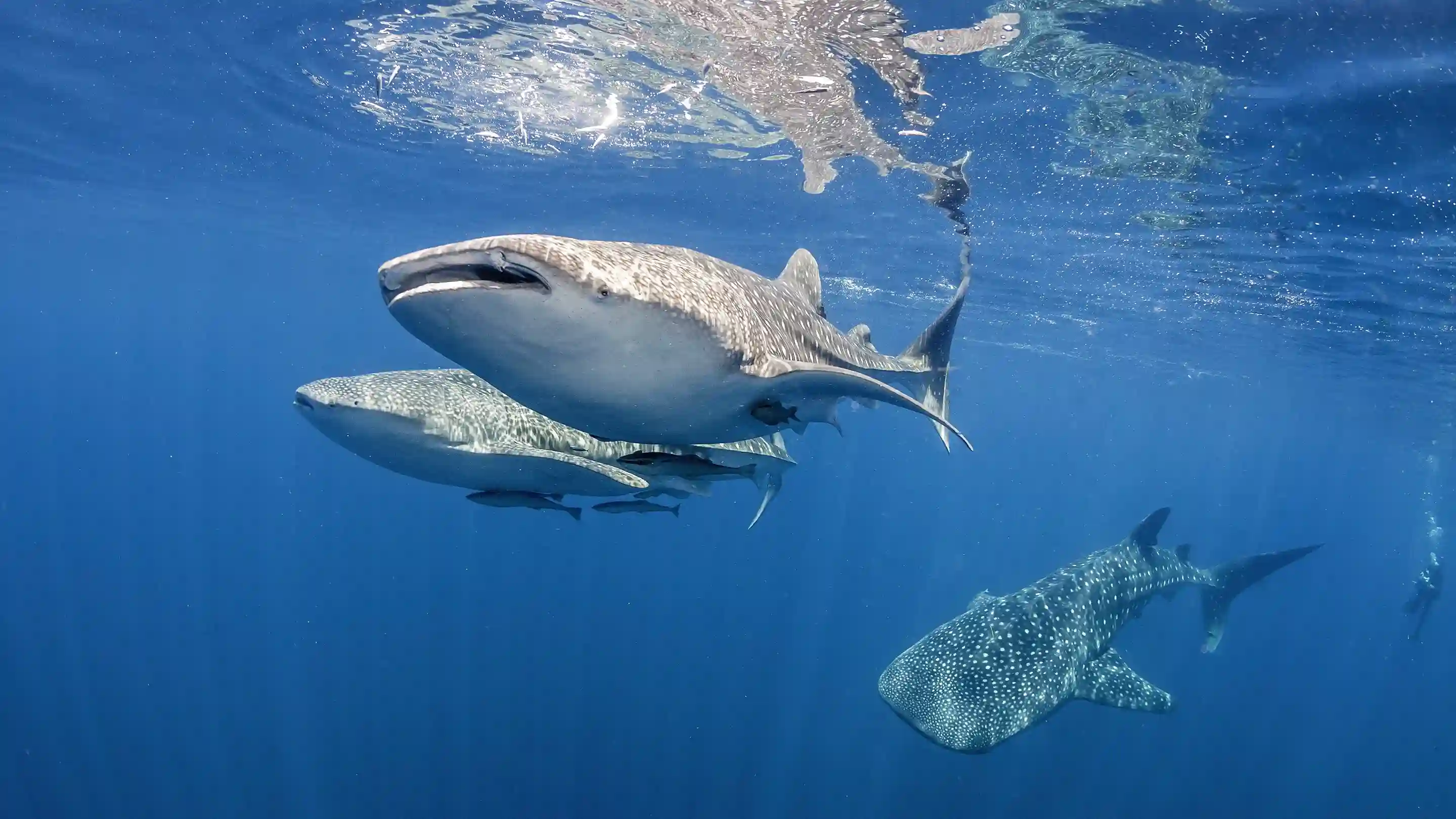 Marine Adventure
4D3N
Derawan Marine Travel Ideas
Explore an East Kalimantan island itinerary
Ask the linked website about the proposed Derawan route, accommodation and activities. Confirm current access, conditions and inclusions; wildlife encounters, including whale sharks, are not guaranteed by a listing.
Price on request
indonesiajuara.asia
Reserve with Confidence
USPA + FASI dual-certified, three-layer safety architecture, transparent operator. Join many on the VIP list.